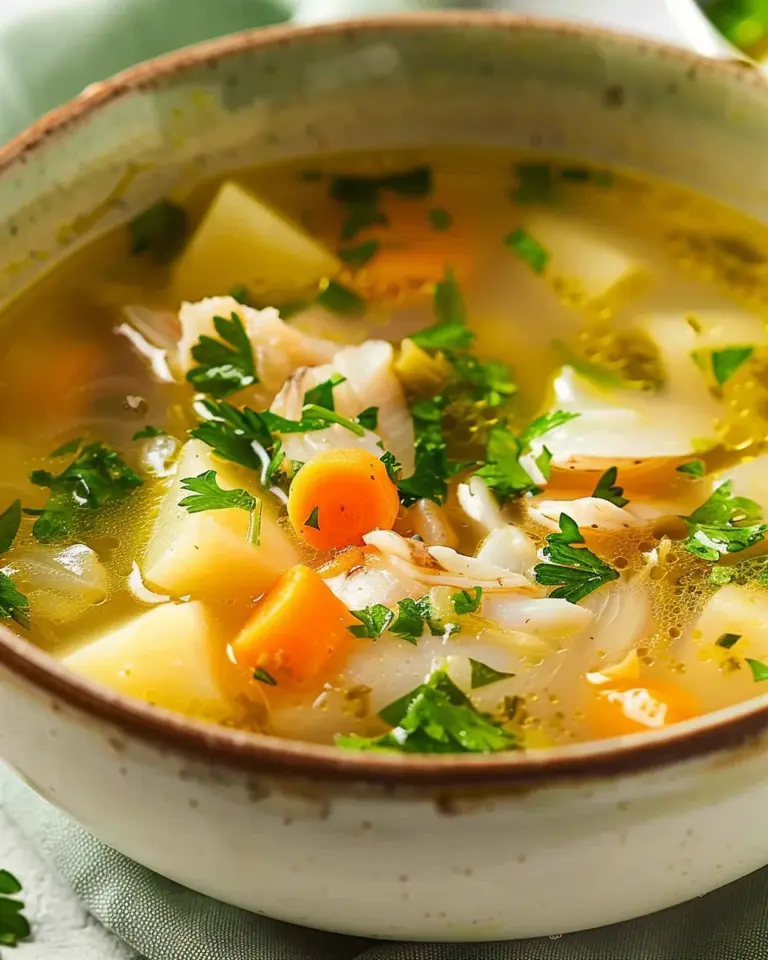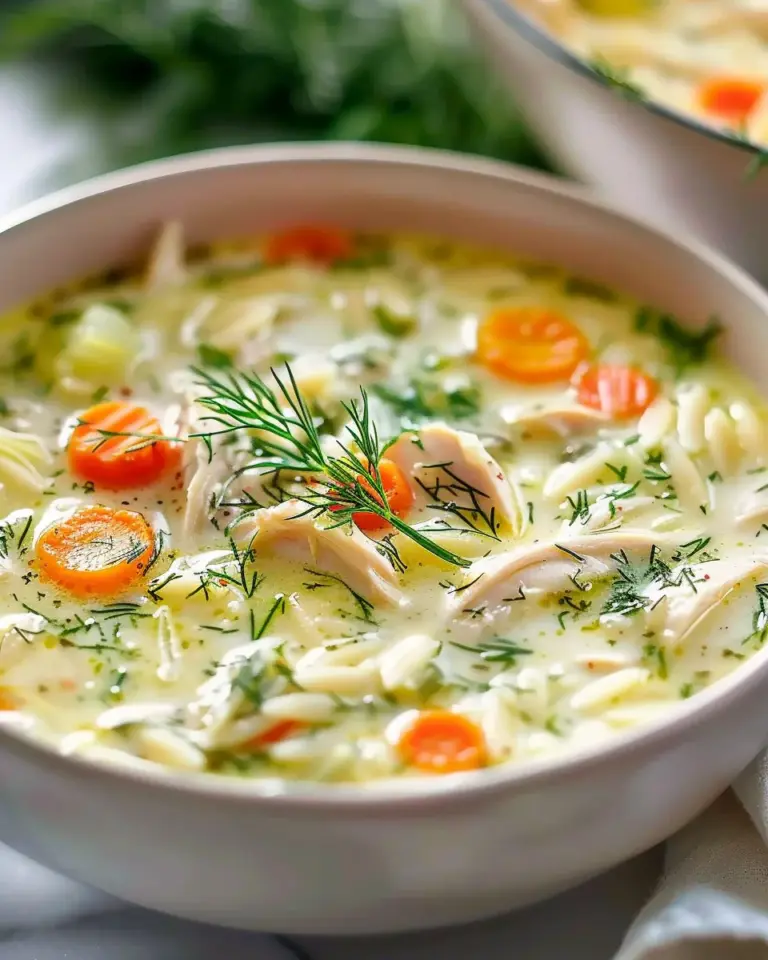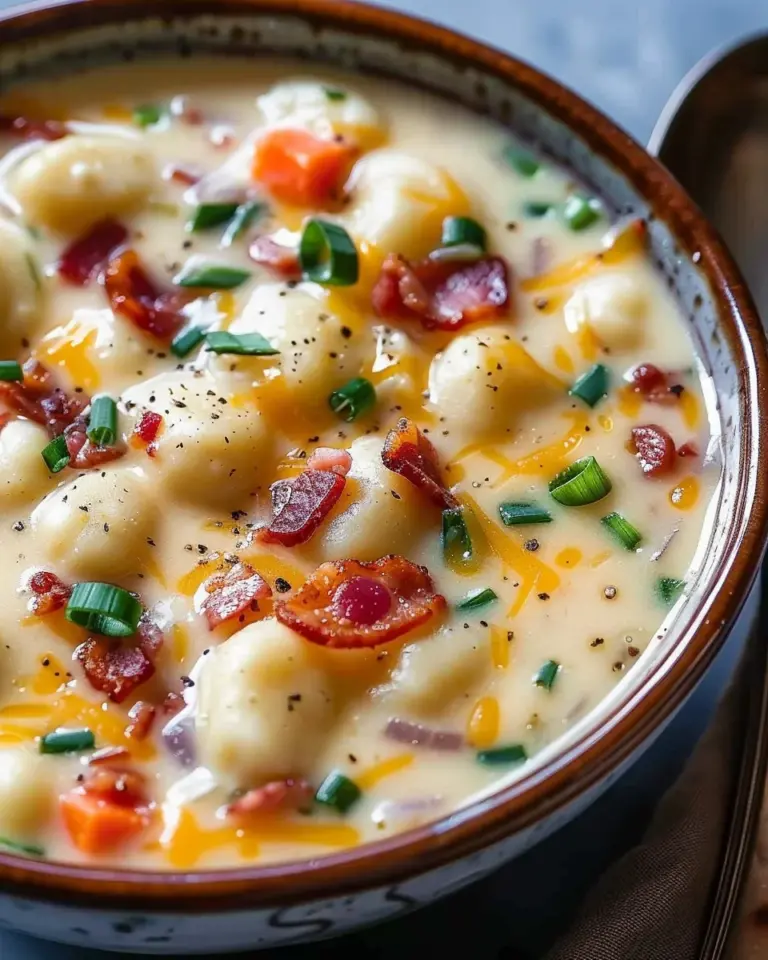
The Best Creamy Seafood Chowder
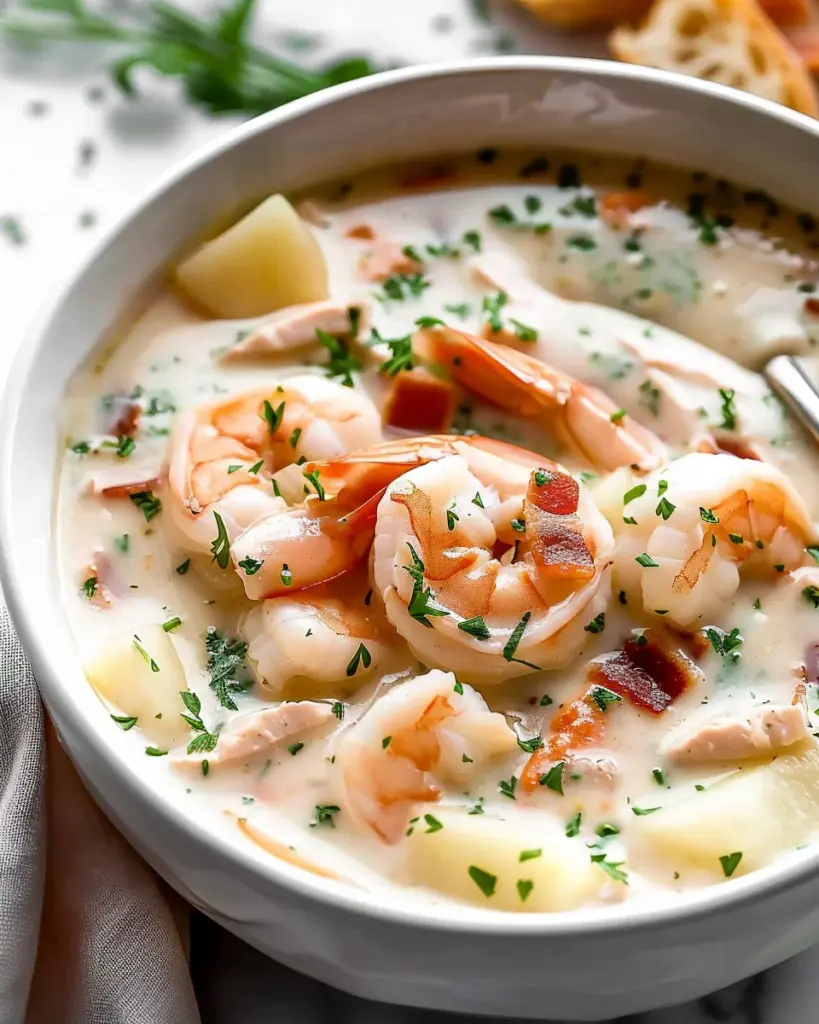
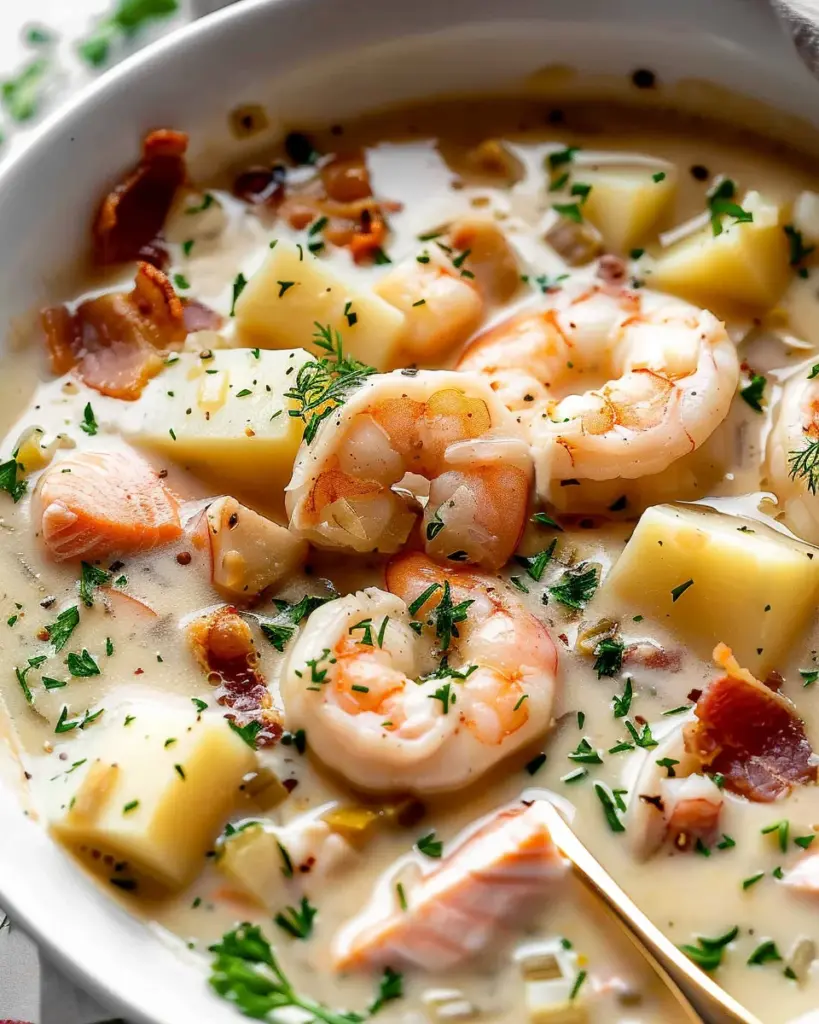
This creamy seafood chowder is the ultimate comfort food. Packed with tender shrimp, flaky salmon, and hearty white fish, it’s elevated with the smoky flavour of crispy bacon or pancetta. Each spoonful delivers rich, savoury satisfaction with a silky texture and balanced seasoning.
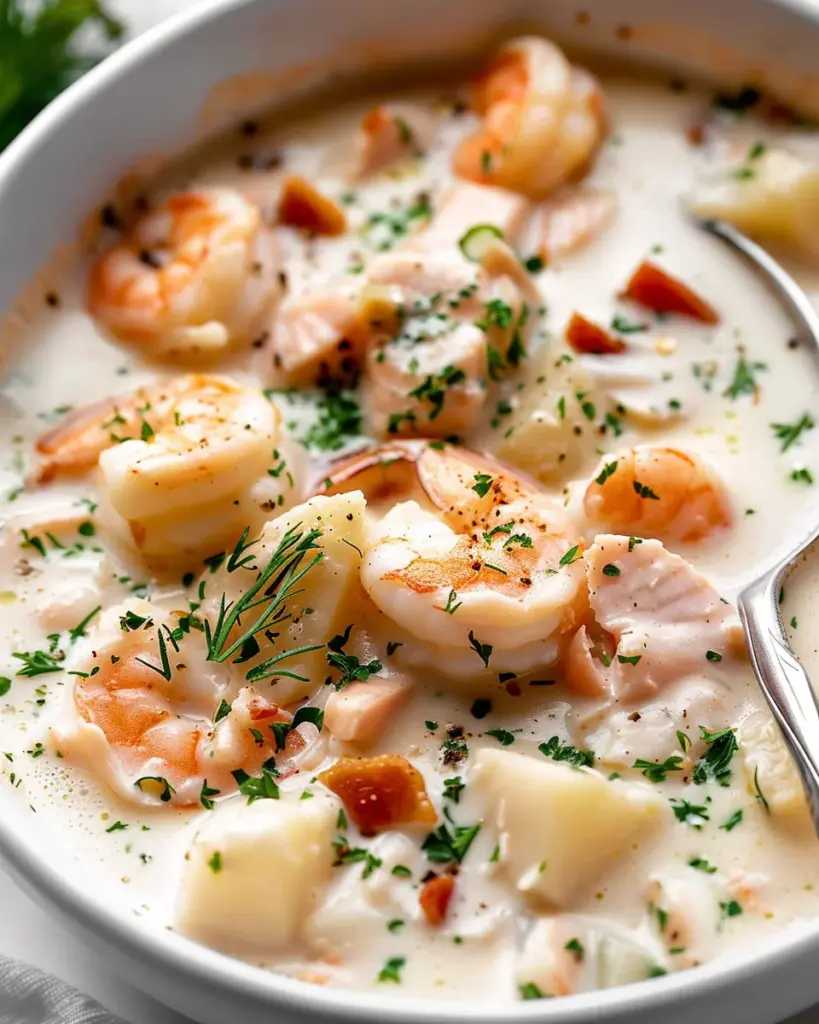
It’s a crowd-pleasing, one-pot meal perfect for weeknights or special occasions. Whether you’re hosting dinner guests or preparing a cozy night in, this dish brings warmth and elegance to the table.
Why You’ll Love This Seafood Chowder
- Rich, creamy texture balanced with fresh herbs.
- Loaded with shrimp, salmon, white fish, and shellfish.
- Finished with smoky bacon for bold depth of flavour.
- Easily adaptable for lighter versions or herb preferences.
- A complete one-pot meal that feels gourmet but is simple to make.
Preparation Phase & Tools to Use
Before diving into the cooking, set up your kitchen with the right tools for a smooth process.
Essential Tools and Equipment
- Heavy-bottomed pot or Dutch oven – ensures even heat and prevents scorching.
- Slotted spoon – removes bacon while preserving the fat.
- Whisk – helps eliminate lumps in the roux.
- Sharp chef’s knife – for efficient and uniform chopping.
- Cutting board – ideally one for seafood and another for vegetables.
- Measuring cups and spoons – ensures precise ingredient use.
- Peeler – to prep carrots or potatoes (if peeling).
- Ladle and serving bowls – for clean, attractive presentation.
Why Each Tool Matters
Each piece of equipment contributes to the quality and ease of the final dish:
- Dutch oven or pot: Distributes heat evenly. Ideal for chowder consistency.
- Slotted spoon: Retains bacon bits while leaving flavourful fat.
- Whisk: Crucial when integrating flour into broth—avoids clumping.
- Chef’s knife: Aids in even vegetable sizes for uniform cooking.
- Peeler: Speeds up potato and carrot prep.
- Measuring tools: Balance of creaminess and seasoning relies on accuracy.
- Ladle: Enables easy serving without breaking up seafood chunks.
Preparation Tips for Success
Maximize flavour and avoid common pitfalls with these tips:
- Thaw frozen seafood thoroughly and pat dry to reduce excess water.
- Dice vegetables uniformly to promote even cooking.
- Crisp the bacon/pancetta slowly to extract the most flavour.
- Make the roux patiently by cooking flour for at least a minute.
- Whisk in broth gradually to ensure a smooth base.
- Add seafood only after potatoes are tender to prevent overcooking.
- Finish with fresh herbs and adjust seasoning at the end.
Ingredients List (Organized by Use)
Protein
- 1 kg (2 lb) mixed seafood (shrimp, salmon, white fish, shellfish)
- 150 g (5 oz) diced bacon or pancetta
Vegetables & Aromatics
- 1 large onion, finely chopped
- 2 celery stalks, finely chopped
- 1 medium carrot, finely chopped
- 2 garlic cloves, minced
- 2 large potatoes, diced
Liquids & Thickener
- 3 tablespoons flour
- 1.5 liters (6 cups) seafood or chicken broth
- 200 ml (¾ cup) white wine (optional)
- 500 ml (2 cups) double cream (heavy cream)
Seasoning & Garnish
- Salt and pepper, to taste
- 2 tablespoons chopped fresh parsley
- 1 teaspoon thyme (optional)
Step-by-Step Directions
1. Prepare the Bacon and Vegetables
- In a large pot over medium heat, cook the bacon or pancetta until crispy.
- Remove using a slotted spoon. Set aside. Leave the rendered fat in the pot.
- Add the onion, celery, carrot, and garlic. Sauté until vegetables are softened and onion is translucent (5–7 minutes).
2. Make the Roux
- Sprinkle the flour over the vegetables.
- Stir constantly and cook for 1–2 minutes until no raw flour remains.
3. Add the Broth
- Gradually whisk in the broth. Begin with a small amount to incorporate the roux, then add the rest slowly.
- Add white wine, if using. Let it simmer 2 minutes to cook off alcohol.
4. Cook the Potatoes
- Stir in diced potatoes. Bring to a boil.
- Reduce to a simmer and cook for 10–15 minutes until just tender.
5. Add the Seafood
- Add the mixed seafood to the pot.
- Cook for 5–10 minutes until the seafood is just cooked through. Avoid overcooking.
6. Finish the Chowder
- Stir in double cream, salt, pepper, parsley, and thyme.
- Let everything heat through gently. Do not boil after cream is added.
7. Serve
- Ladle chowder into bowls.
- Garnish with crispy bacon or pancetta.
- Serve hot with crusty bread or a side salad.
Serving Suggestions
This creamy seafood chowder deserves a presentation that enhances its comforting richness. Serve it hot, in deep bowls that showcase its velvety texture and vibrant seafood colors.
Garnish Ideas:
- Crumbled crispy bacon or pancetta
- Fresh chopped parsley or chives
- A drizzle of cream or a twist of cracked pepper
Recommended Bread Pairings:
- Crusty sourdough slices for soaking up the creamy broth
- Garlic bread for bold flavor contrast
- Buttery dinner rolls for a softer side
Beverage Pairings:
- Dry white wine (like Sauvignon Blanc or Chardonnay)
- Light lagers or pale ales to balance richness
- Sparkling water with lemon for a refreshing palate cleanser
When to Serve:
- As a cozy autumn or winter dinner
- A hearty main course for seafood lovers
- A starter at a holiday meal
- A highlight of your next seafood night
Common Mistakes to Avoid & How to Perfect the Recipe
Cooking Creamy Seafood Chowder correctly requires attention to detail. Avoid these common errors to ensure perfection.
1. Overcooking the Seafood
Issue: Seafood becomes rubbery.
Fix: Add seafood in the final 5–10 minutes. Remove from heat as soon as it’s opaque and cooked through.
2. Potatoes Turn Mushy
Issue: Overcooked potatoes ruin the texture.
Fix: Dice evenly and test for doneness with a fork before adding seafood.
3. Lumpy Texture from the Roux
Issue: Improperly mixed flour can clump.
Fix: Whisk broth in gradually to create a smooth base.
4. Cream Splits or Curdles
Issue: High heat can cause cream to break.
Fix: Lower the heat after adding cream. Simmer gently—never boil.
5. Chowder Lacks Depth
Issue: Bland final taste.
Fix: Use rendered bacon fat, white wine, and herbs. Add seasoning after seafood cooks for best results.
6. Watery Chowder from Frozen Seafood
Issue: Excess liquid dilutes the broth.
Fix: Thaw seafood overnight and pat dry before adding.
7. Vegetables Stay Too Firm
Issue: Undercooked onions or carrots.
Fix: Sauté vegetables until translucent before adding flour.
8. Wrong Side Pairing
Issue: Overpowering or too-similar sides.
Fix: Choose contrasting textures like crisp salad or crusty bread.
Side Dish Recommendations
Pairing sides with creamy seafood chowder adds dimension and completes the meal. Here are eight top side dishes that perfectly match the chowder’s richness.
1. Garlic & Herb Crusty Bread
- Adds crunch and flavor depth
- Ideal for soaking up the creamy broth
2. Simple Green Salad with Lemon Vinaigrette
- A light, citrusy contrast to the heavy chowder
- Refreshes the palate between bites
3. Steamed or Roasted Asparagus
- Adds a fresh, grassy flavor
- Roasting brings out natural sweetness and texture
4. Warm Sourdough Rolls
- Soft, chewy texture pairs beautifully with the silky chowder
- Classic, easy-to-prepare bread option
5. Roasted Brussels Sprouts with Bacon
- Reinforces the bacon notes in the chowder
- Provides a crispy, caramelized edge
6. Sautéed Kale with Garlic and Lemon
- A hearty green side
- Brightens the dish with a slight citrus tang
7. Cornbread Muffins
- Offers a slightly sweet counterpart
- Great for balancing salt and creaminess
8. Crispy Potato Wedges
- Adds texture variety
- Perfect for dipping or snacking on the side
Recipe Tips, Storage and Reheating Instructions
Expert Tips for the Best Creamy Seafood Chowder
- Use a balanced mix of seafood. Choose a combination of shrimp, salmon, white fish, and shellfish for texture and flavor depth.
- Cook the roux fully. This enhances thickness and removes the raw flour taste.
- Add seafood last. It ensures perfectly cooked, tender pieces that aren’t rubbery.
- Use heavy cream for richness. For a lighter version, swap half with milk, but expect a thinner broth.
- Finish with herbs. Fresh parsley or thyme brings brightness to the final dish.
- Season at the end. Seafood releases salt—wait until after it’s added to adjust flavor.
Storing Leftover Chowder
Proper storage keeps the flavor and texture intact.
- Refrigerator: Store in an airtight container. Keeps well for up to 3 days.
- Freezing not recommended: The cream can separate and the seafood may become rubbery when thawed.
- Tip: Store without garnishes (bacon, herbs) and add those fresh upon reheating.
Reheating Instructions
Maintain texture and flavor when reheating leftovers.
- Stovetop: Place chowder in a saucepan. Reheat gently over medium-low heat, stirring often. Avoid boiling.
- Microwave: Use a microwave-safe bowl. Reheat in 30-second intervals, stirring in between.
- Restore thickness: If chowder thickens in the fridge, add a splash of broth or milk to loosen the consistency.
Frequently Asked Questions (FAQs)
Can I use frozen seafood?
Yes. Frozen seafood works well in this chowder. Thaw completely and pat dry before adding. This prevents excess water from diluting the broth.
Can I substitute milk for cream?
Absolutely. Using milk instead of cream results in a lighter chowder. It’s less rich but still delicious. A 50/50 mix of cream and milk is a great middle ground.
What seafood mix works best?
Use firm white fish (like cod or haddock), salmon, shrimp, and optionally scallops or mussels. Avoid delicate fish that may fall apart.
Can I make this ahead of time?
Yes. Prepare the chowder up to the point where potatoes are tender. Cool, store, then reheat and add seafood just before serving. This prevents overcooked seafood.
Can I freeze this chowder?
Not recommended. The dairy base and seafood texture do not hold up well to freezing. Stick to refrigeration for short-term storage.
What herbs can I use besides thyme?
Fresh parsley is a must. You can also substitute with dill, tarragon, or even a hint of chives. Choose based on your taste and the seafood mix used.