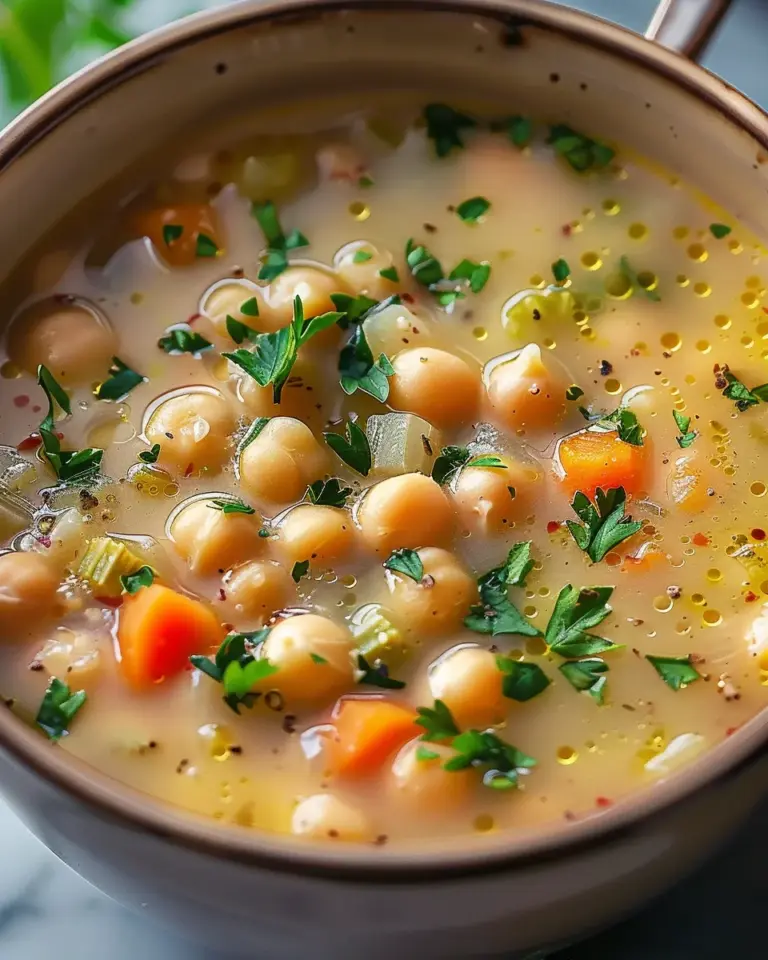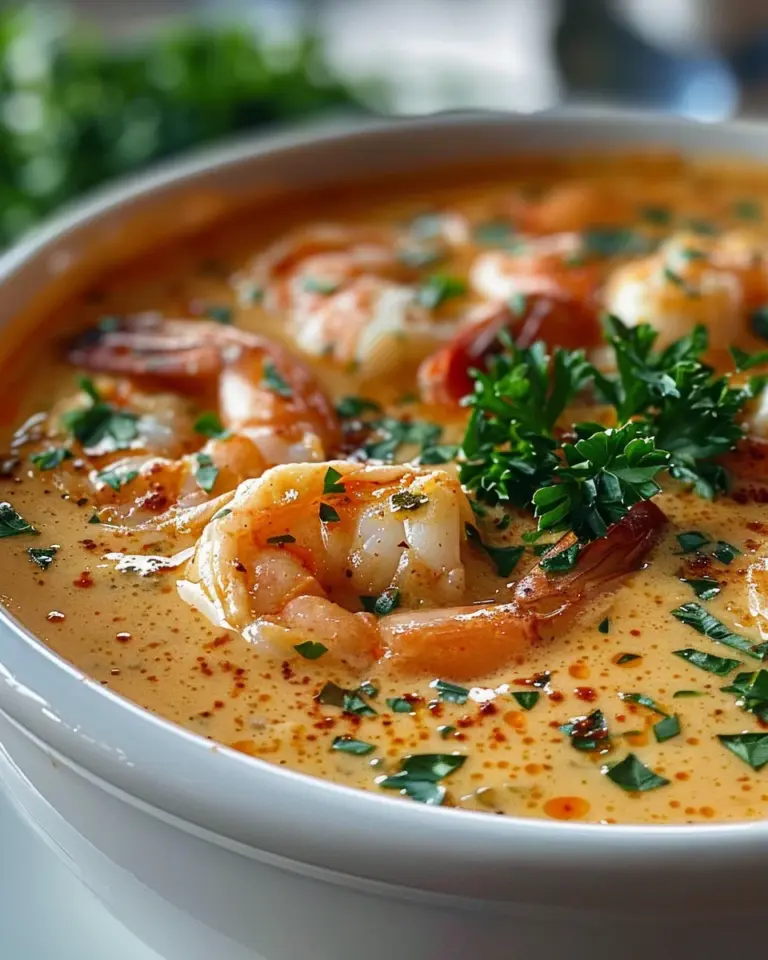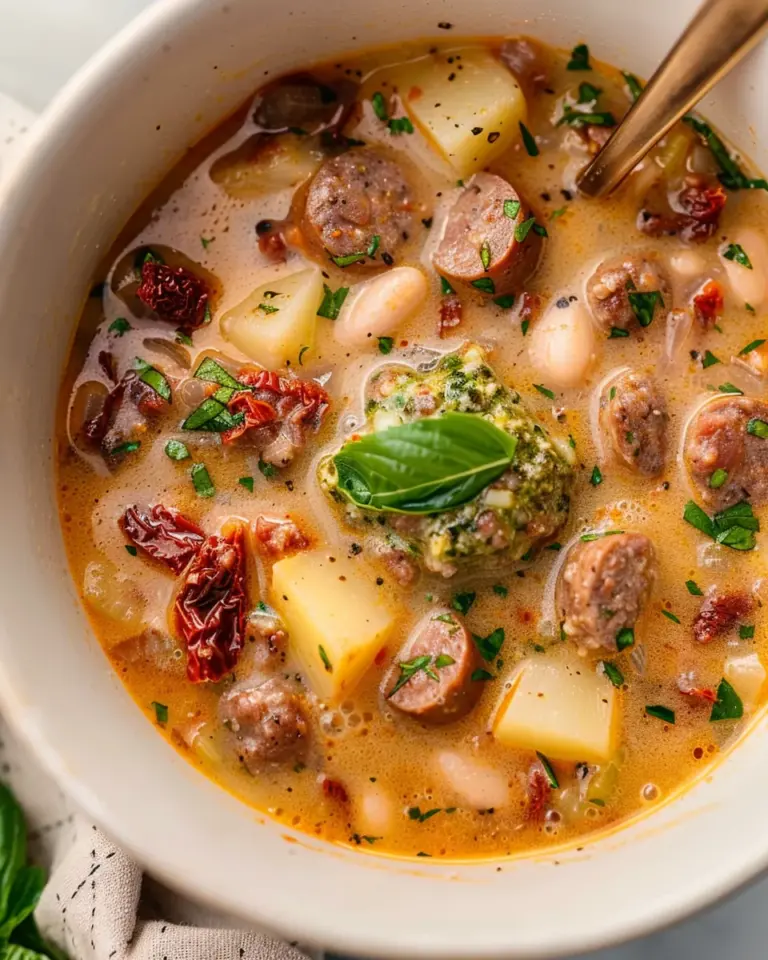
Avgolemono Soup: Greek Healing Lemon Soup
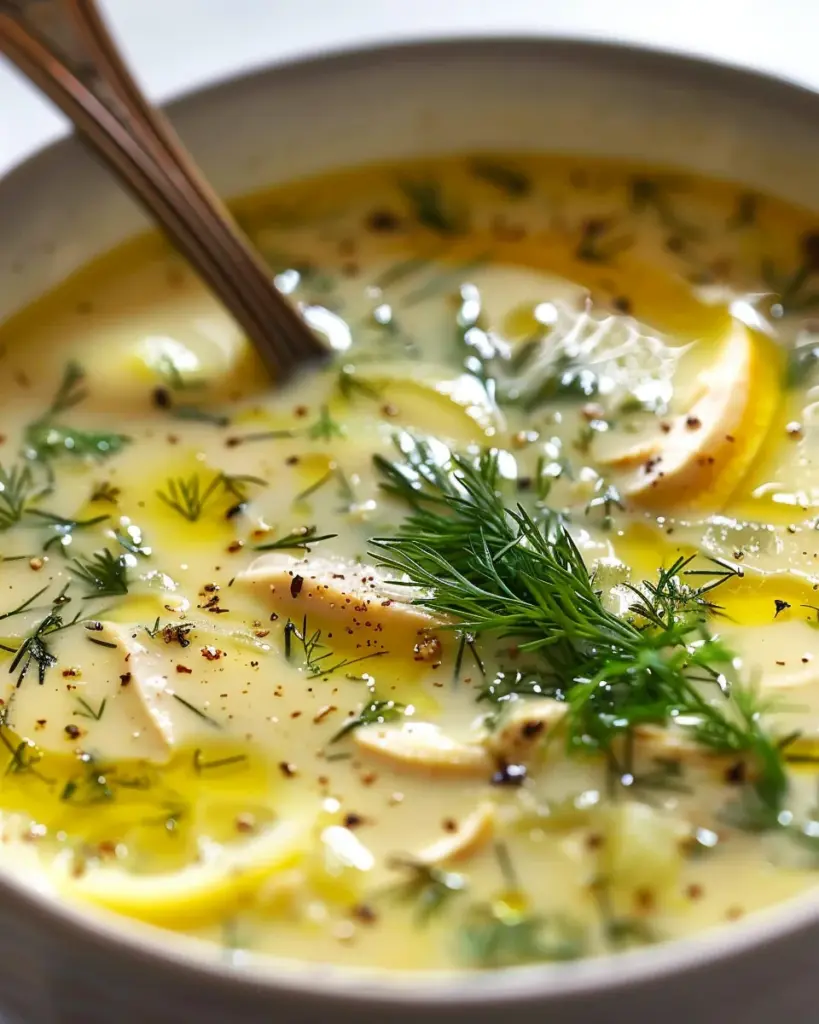
Avgolemono Soup: Greek Healing Lemon Soup is more than just a meal—it’s a sensory experience, blending rich heritage, comforting warmth, and refined simplicity. Whether you’re crafting it for a quiet weeknight dinner or impressing guests at a seasonal gathering, this dish brings elegance and nourishment in every bite.
Its appeal lies in its perfect balance of zesty brightness and velvety texture. The lemon’s tang cuts through the richness of the broth, while the creamy egg yolks and tender chicken create a silky, soothing consistency. Known for its healing qualities, Avgolemono Soup: Greek Healing Lemon Soup is often turned to during colder months or when one needs a culinary hug.
Why will readers love it?
- It’s simple yet sophisticated.
- It’s quick to make, but doesn’t compromise on depth of flavor.
- It’s nourishing, perfect for immune support and digestive comfort.
- It uses common pantry ingredients with flexible variations.
If you’ve never made this before, you’re about to discover why Avgolemono Soup: Greek Healing Lemon Soup is a favorite in Mediterranean kitchens and beyond.
Preparation Phase & Tools to Use
Essential Tools and Equipment
To execute Avgolemono Soup: Greek Healing Lemon Soup flawlessly, you’ll need the following equipment:
- Heavy-bottomed pot: Prevents scorching and ensures even cooking.
- Whisk: Crucial for emulsifying the egg and lemon mixture.
- Mixing bowls: Needed for tempering and whisking ingredients.
- Measuring cups and spoons: Accuracy matters with liquids and seasonings.
- Ladle: Allows slow addition of hot broth for tempering.
- Chef’s knife: For clean, uniform chicken dice.
- Cutting board: Preferably non-slip, food-safe plastic or wood.
- Citrus juicer: Helps extract every drop from your lemons.
Each tool serves a distinct function. For example, the ladle is essential during the tempering stage to avoid curdling the eggs, while a heavy-bottomed pot preserves the integrity of your soup over sustained simmering.
Preparation Tips
Before you turn on the stove, organize your workspace:
- Mise en place: Prep all ingredients—dice chicken, zest and juice lemons, separate egg yolks, chop herbs.
- Warm ingredients slightly: Eggs and broth should be close to room temperature to ease tempering.
- Use fresh lemons: The brightness is key to flavor—bottled juice won’t deliver the same result.
- Keep stirring tools nearby: Speed and consistency are critical when combining hot broth and eggs.
- Preheat your pot before adding oil and chicken, for better browning and flavor development.
A thoughtful setup cuts down on stress and ensures the soup develops its signature texture and flavor without interruption.
Ingredients
Here is what you’ll need to prepare Avgolemono Soup: Greek Healing Lemon Soup:
- 1 lb boneless skinless chicken breast, diced
- 4 cups low-sodium chicken broth
- 3 large egg yolks
- 1/4 cup fresh lemon juice (about 2 lemons)
- Zest of 1 lemon
- 2 tbsp fresh dill or parsley, chopped
- Salt and pepper, to taste
- 2 tbsp olive oil
Ingredient Notes
- Chicken: Breast meat provides lean protein and remains tender in the broth. Thighs can be used for a richer taste.
- Broth: A high-quality, low-sodium chicken broth is ideal. Homemade is best if available.
- Egg yolks: These create the soup’s signature velvety texture.
- Lemon juice & zest: Use freshly squeezed juice and zest for the most vibrant citrus profile.
- Herbs: Dill adds brightness; parsley offers a milder finish—choose based on your taste.
- Olive oil: For sautéing, but also adds subtle depth.
This ingredient list allows flexibility—vegetarian? Try vegetable broth and tofu. Watching cholesterol? Use fewer egg yolks and more lemon for brightness.
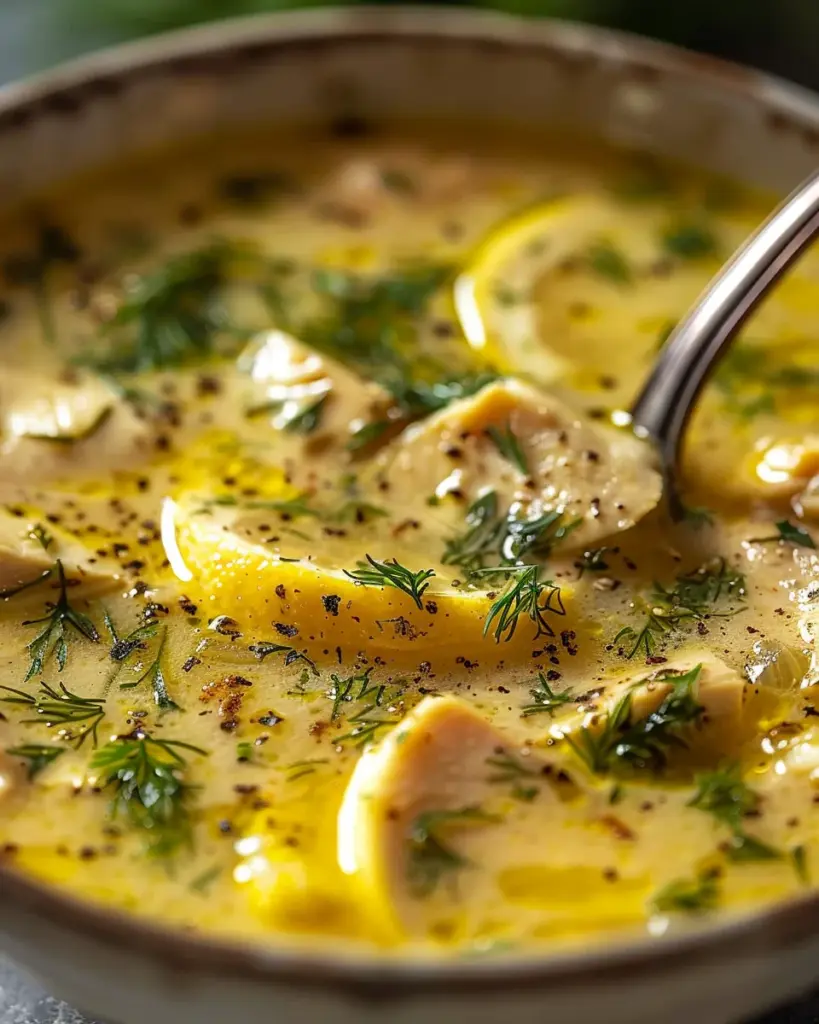
Step-by-Step Directions
Follow these steps for Avgolemono Soup: Greek Healing Lemon Soup with confidence:
- Heat olive oil in a pot over medium heat.
- Once shimmering, add diced chicken.
- Sauté for 5–7 minutes, until golden and cooked through.
- Add the chicken broth to the pot.
- Bring to a gentle simmer.
- Cook for 15 minutes, allowing the flavors to meld and chicken to tenderize.
- In a separate bowl, whisk together the egg yolks, lemon juice, and lemon zest.
- Whisk until slightly frothy and well combined.
- Temper the egg mixture:
- Slowly ladle 1 cup of hot broth into the egg-lemon mixture.
- Whisk continuously to avoid scrambling the eggs.
- Incorporate the tempered mixture back into the pot.
- Reduce heat to low and stir gently.
- Do not allow the soup to boil—this will curdle the eggs.
- Add fresh herbs and season with salt and pepper to taste.
- Stir until fully combined.
- Heat gently for another 2 minutes to meld flavors.
- Serve immediately, garnished with extra herbs or a drizzle of olive oil, if desired.
Optional Tips and Variations
- Add cooked orzo or rice for a heartier soup.
- Use bone-in chicken and simmer longer for deeper flavor—just remove bones before serving.
- For a vegetarian version, replace chicken with chickpeas and use vegetable broth.
- Add a touch of nutmeg or allspice for warm undertones.
Serving Suggestions
Presenting Avgolemono Soup: Greek Healing Lemon Soup well can elevate the experience from comforting to exceptional. This dish thrives on its simplicity and elegance, so presentation should highlight those qualities.
How to Serve It
- Temperature: Serve warm—not boiling. The smooth texture is most enjoyable slightly below simmering temperature.
- Garnish: Top with finely chopped fresh dill or parsley for a pop of color and aroma.
- Texture Addition: A swirl of olive oil or a few grains of cooked rice/orzo can add body.
- Serving Vessels: Use deep, wide bowls to allow the soup to retain its heat and aroma.
- Bread Pairing: Offer crusty bread or pita on the side to soak up the broth.
Portion and Pairing Tips
- Serve 1 to 1½ cups per person as a starter or 2 cups as a main.
- It pairs beautifully with crisp white wines such as Assyrtiko or Sauvignon Blanc.
- For non-alcoholic options, try lemon-infused water, mint tea, or lightly sparkling water with cucumber slices.
This dish fits a variety of occasions—whether it’s a quiet family meal, a healing soup for a loved one, or a centerpiece for a Mediterranean-themed dinner.
Common Mistakes To Avoid & How to Perfect the Recipe
Achieving the perfect Avgolemono Soup: Greek Healing Lemon Soup requires attention to a few critical steps. Avoid these common errors to ensure success:
Mistake 1: Overheating the Egg Mixture
- Problem: Curdling occurs when eggs cook too quickly.
- Fix: Temper eggs by slowly adding hot broth while whisking continuously.
Mistake 2: Boiling the Soup After Adding Eggs
- Problem: High heat breaks the emulsion, leading to a grainy texture.
- Fix: Lower the heat immediately after combining eggs and broth.
Mistake 3: Using Bottled Lemon Juice
- Problem: Lacks the freshness and brightness of real lemons.
- Fix: Always use freshly squeezed lemon juice and zest.
Mistake 4: Not Seasoning Enough
- Problem: The soup may taste flat.
- Fix: Add salt in stages, tasting after each addition.
Mistake 5: Using Poor Quality Broth
- Problem: The base flavor falls short.
- Fix: Use homemade or high-quality low-sodium broth for best results.
Mistake 6: Skipping the Rest Period
- Problem: Flavors won’t fully meld.
- Fix: Let the soup sit for 5 minutes off heat before serving.
Mistake 7: Rushing the Whisking
- Problem: Uneven texture or egg separation.
- Fix: Take your time whisking for a smooth, uniform blend.
Pro Tip: Mastering the Texture
Use an immersion blender briefly at the end (before serving) if the texture seems too loose—just one or two pulses will create luxurious body without over-processing.
Side Dish Recommendations
While Avgolemono Soup: Greek Healing Lemon Soup can stand alone, complementary sides turn it into a complete and satisfying meal. Here are eight side dishes that pair beautifully.
1. Greek Village Salad
Fresh tomatoes, cucumbers, onions, olives, and feta dressed with olive oil and oregano. Its crispness contrasts the soup’s creaminess.
2. Roasted Lemon Potatoes
These crispy-on-the-outside, fluffy-on-the-inside potatoes echo the lemony notes of the soup and bring a satisfying starch.
3. Warm Pita Bread with Tzatziki
Soft, grilled pita served with a cool cucumber-yogurt dip provides texture and tang that enhances the soup’s profile.
4. Spanakopita (Spinach Pie)
Flaky pastry filled with spinach and feta adds savory depth and makes a filling addition without overshadowing the soup.
5. Garlic Green Beans
Blanched and sautéed green beans with garlic and lemon zest offer brightness and crunch to balance the soup’s silkiness.
6. Orzo with Olive Oil and Herbs
A simple side of orzo dressed with olive oil, parsley, and lemon zest makes a mild, complementary starch to round out the meal.
7. Grilled Halloumi with Tomatoes
The salty, chewy texture of halloumi with juicy grilled tomatoes brings a Mediterranean flair and satisfying protein contrast.
8. Citrus Fruit Salad
A refreshing mix of oranges, grapefruit, and mint helps cleanse the palate after a creamy and savory soup course.
Each of these sides highlights different elements of Avgolemono Soup: Greek Healing Lemon Soup—from citrus notes to creamy texture—and gives you flexibility whether you’re planning a light lunch or a full dinner spread.
Recipe Tips, Storage and Reheating Instructions
Making Avgolemono Soup: Greek Healing Lemon Soup even better is all about small refinements. Here’s how to enhance it, preserve it, and reheat it safely without compromising quality.
Expert Recipe Tips
- Use room temperature eggs: Cold eggs can curdle more easily when tempered.
- Whisk constantly during tempering: This is the most crucial step for achieving a silky finish.
- Season gradually: Add salt in stages after tempering to avoid over-seasoning.
- Don’t skip the zest: Lemon zest adds essential oils that boost aroma and flavor intensity.
- Let the soup sit briefly before serving. Flavors deepen with a short resting period.
How to Store Avgolemono Soup: Greek Healing Lemon Soup
- Refrigerator: Store cooled soup in an airtight container. Consume within 3 days.
- Freezer: Not recommended due to the egg-lemon emulsion, which may separate or curdle after thawing.
- Label and date the container if refrigerating for meal prep.
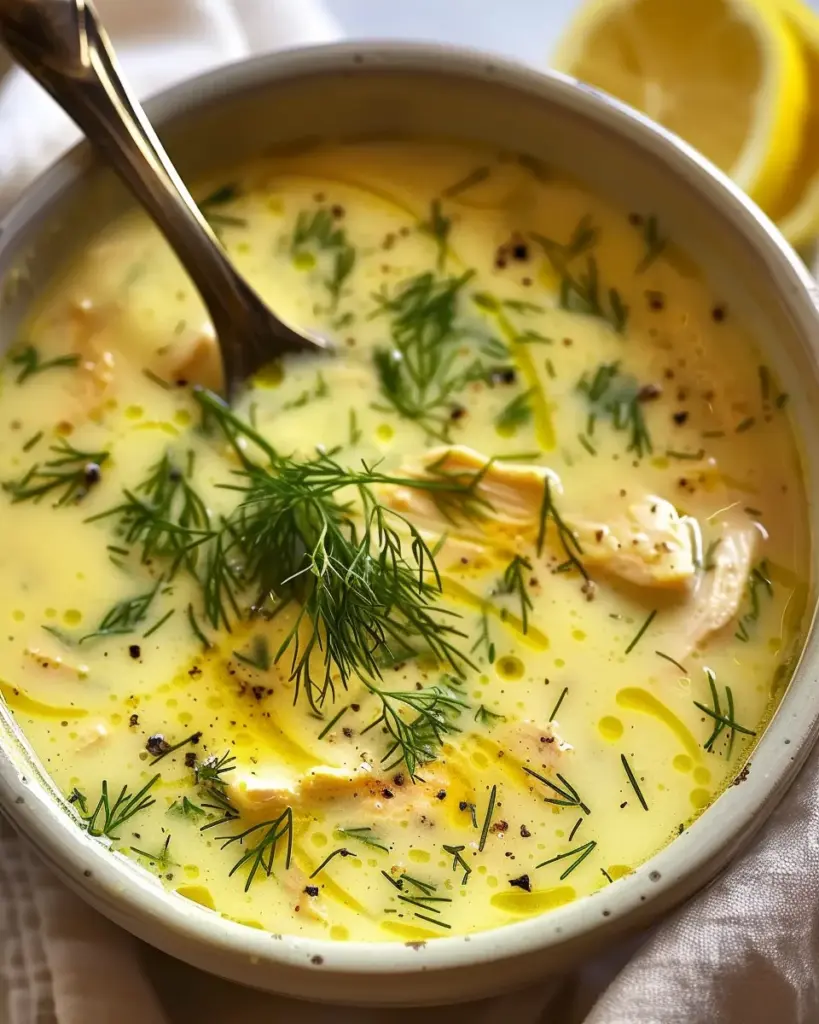
Reheating Instructions
- Stovetop Method:
- Pour soup into a saucepan.
- Warm over low heat, stirring gently.
- Do not let it boil, or the emulsion will break.
- Add a splash of broth or water if the texture is too thick.
- Microwave Method (less preferred):
- Reheat in short bursts (30 seconds), stirring in between.
- Use medium power to prevent overheating.
- Pro Tip: If reheating individual portions, stir before serving to reincorporate any slight separation.
Frequently Asked Questions (FAQs)
Can I make Avgolemono Soup: Greek Healing Lemon Soup vegetarian?
Yes. Replace the chicken with canned or cooked chickpeas and use vegetable broth instead of chicken stock. The texture will be different, but the flavor remains vibrant.
Can I add rice or orzo to this soup?
Absolutely. About 1/4 cup of cooked rice or orzo adds body and makes it a more filling main course. Add it after tempering to avoid overcooking.
How do I keep the eggs from curdling?
Temper the eggs slowly. Whisk continuously while gradually ladling hot broth into the egg mixture, then return it to the pot over low heat only.
Can I use whole eggs instead of yolks?
You can, but the texture will be slightly lighter and less creamy. Whole eggs also carry a higher risk of curdling due to the whites.
Is this soup gluten-free?
Yes, as written, this soup is naturally gluten-free—just double-check your broth for hidden gluten sources.
What if I don’t have fresh lemons?
Use bottled lemon juice in a pinch, but adjust for taste. Add a little lemon zest or vinegar to compensate for reduced brightness.
Can I double or triple the recipe?
Yes, scale the ingredients proportionally. However, tempering becomes more delicate with larger volumes, so work in batches if needed.
Is Avgolemono Soup: Greek Healing Lemon Soup healthy?
It’s rich in protein, low in carbs, and provides vitamin C from lemons. To reduce cholesterol, use fewer yolks or combine with egg whites.