Butternut Squash Pasta Sauce
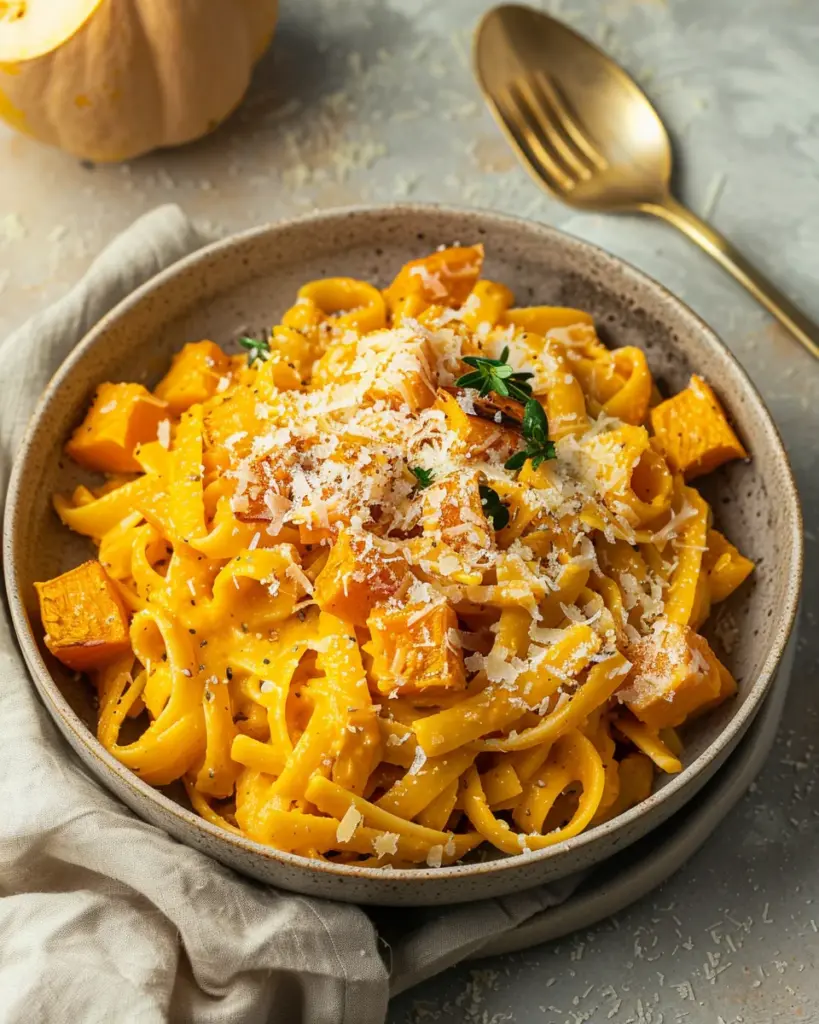
A creamy butternut squash pasta sauce brings warmth and comfort to any meal. This delicious vegan sauce is perfect for weeknight dinners, holiday gatherings, or anytime you crave a healthy yet indulgent dish. With its rich flavor and simple ingredients, it’s a standout choice for both pasta lovers and those seeking nutritious options.
Why You’ll Love This Recipe
- Quick and Easy: This recipe takes only 30 minutes, making it perfect for busy nights.
- Creamy Texture: The butternut squash creates a velvety sauce without the need for dairy.
- Nutritious Ingredients: Packed with vitamins, this sauce is a wholesome addition to your meals.
- Versatile Use: Pair it with your favorite pasta, use it on pizzas, or as a dip for veggies.
- Vegan-Friendly: Enjoy this dish without compromising on taste or dietary restrictions.
Tools and Preparation
Having the right tools makes cooking easier and more enjoyable. Here are some essential items you’ll need to prepare your butternut squash pasta sauce.
Essential Tools and Equipment
- Baking sheet
- Parchment paper
- Blender
- Pot for boiling pasta
- Knife and cutting board
Importance of Each Tool
- Baking sheet: Ensures even cooking of the vegetables while roasting.
- Blender: Helps achieve that smooth, creamy texture essential for your sauce.
- Pot for boiling pasta: A must-have for cooking your pasta perfectly al dente.
Ingredients
For the Sauce
- 16 oz bag of frozen diced butternut squash
- 1.5 cups fresh chopped tomatoes
- 1/2 yellow onion
- 2 tbsp olive oil
- 1 tsp salt
- 1/4 tsp black pepper
- 1/2 tsp dried thyme
For the Pasta
- 1 lb pasta
- 1/3 cup pasta water reserved from cooked pasta
How to Make Butternut Squash Pasta Sauce
Step 1: Preheat the Oven
Preheat your oven to 450°F (232°C) and line a baking sheet with parchment paper. This step ensures that your vegetables roast evenly without sticking.
Step 2: Prepare the Vegetables
Place the frozen cubed butternut squash, chopped tomatoes, and sliced onion on the baking sheet.
Step 3: Season the Veggies
Drizzle 2 tablespoons of olive oil over the vegetables. Season with 1 teaspoon salt, 1/4 teaspoon black pepper, and 1/2 teaspoon dried thyme.
Step 4: Mix and Roast
Mix everything together to ensure all vegetables are coated with oil and seasonings. Bake in the preheated oven for 20 minutes or until tender.
Step 5: Cook the Pasta
While the veggies are roasting, bring water to a boil in a pot. Cook your chosen pasta according to package instructions until al dente.
Step 6: Reserve Pasta Water
Before draining the cooked pasta, reserve 1/3 cup of the starchy pasta water. This will help create a silky sauce.
Step 7: Blend the Sauce
Once roasted, take the veggies from the oven and transfer them into a blender along with the reserved pasta water. Blend until smooth.
Step 8: Combine Pasta and Sauce
Pour the creamy butternut squash sauce over the drained pasta in a large bowl. Toss well to coat every strand of pasta with this delightful sauce.
Step 9: Serve Immediately
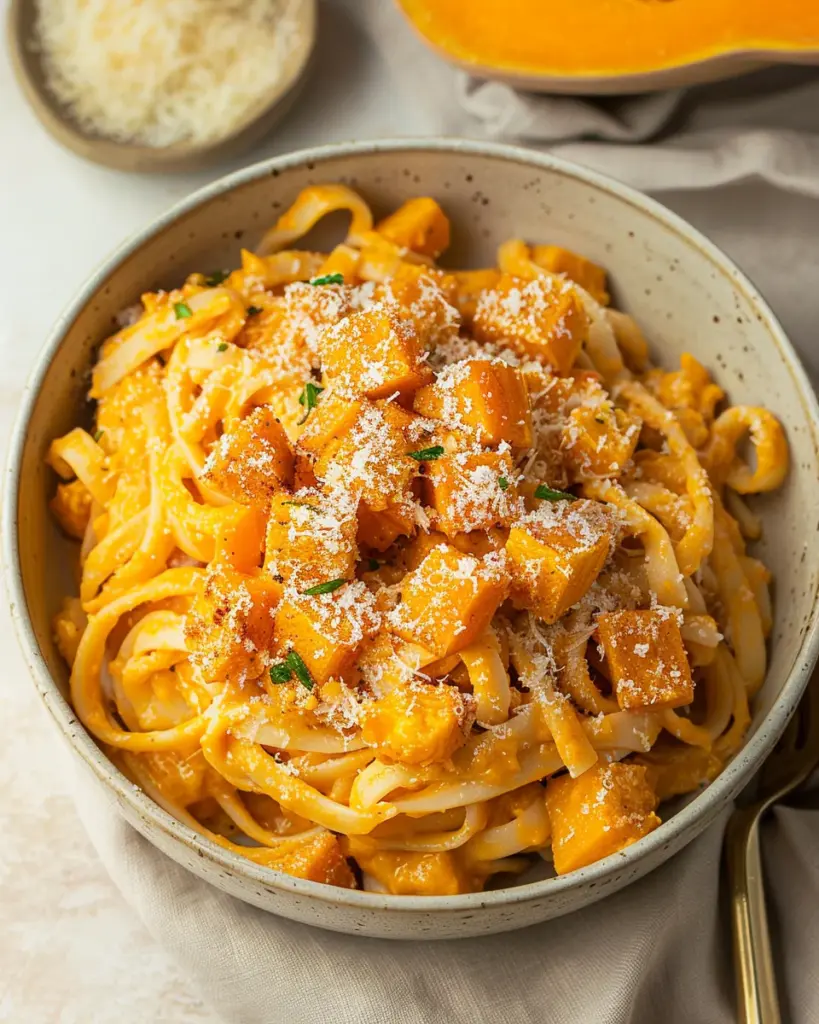
Serve hot, garnished with parmesan cheese or plant-based parmesan if desired. Enjoy your delicious meal!
How to Serve Butternut Squash Pasta Sauce
Butternut squash pasta sauce is versatile and can be enjoyed in various ways. Whether you’re hosting a family dinner or a casual gathering, these serving suggestions will elevate your dish.
Pair with Fresh Herbs
- Basil: Fresh basil adds a fragrant touch that complements the sweetness of the sauce.
- Parsley: Chopped parsley brings a pop of color and freshness to every bite.
Top with Cheese
- Parmesan Cheese: A sprinkle of grated parmesan enhances the flavor and adds richness.
- Vegan Cheese: For a dairy-free option, use your favorite plant-based cheese for creaminess.
Add Protein
- Grilled Chicken: Sliced grilled chicken on top makes this dish heartier and adds protein.
- Chickpeas: Tossing chickpeas into the mix boosts nutrition while keeping it vegan.
Serve with a Salad
- Mixed Greens Salad: A light salad with vinaigrette pairs perfectly to balance the creamy sauce.
- Caesar Salad: For a classic side, serve with a vegan Caesar salad for added crunch.
How to Perfect Butternut Squash Pasta Sauce
To achieve the best butternut squash pasta sauce, follow these helpful tips for a creamy, flavorful result.
- Use Fresh Ingredients: Opt for fresh tomatoes and onions when possible for enhanced flavor.
- Adjust Seasonings: Feel free to tweak the salt and pepper to suit your taste preferences.
- Blend Thoroughly: Ensure that you blend the sauce until smooth for the creamiest texture.
- Reserve Pasta Water Wisely: The starch in pasta water helps bind the sauce to the pasta, so don’t skip this step!
- Experiment with Spices: Try adding nutmeg or garlic powder for extra warmth and depth of flavor.
Best Side Dishes for Butternut Squash Pasta Sauce
Enhance your meal by pairing butternut squash pasta sauce with delicious side dishes. Here are some great options to consider.
- Garlic Bread: Crispy garlic bread is perfect for soaking up any leftover sauce on your plate.
- Roasted Vegetables: Mixed seasonal veggies roasted in olive oil add color and nutrition to your meal.
- Quinoa Salad: A refreshing quinoa salad provides protein and complements the creamy pasta nicely.
- Steamed Broccoli: Lightly steamed broccoli offers crunch and nutritional benefits alongside your dish.
- Bruschetta: Tomato bruschetta serves as a delightful appetizer that pairs well with pasta flavors.
- Caprese Skewers: These fresh skewers of mozzarella, tomatoes, and basil create a colorful start to your meal.
- Crispy Kale Chips: A healthy snack option that adds crunch without overpowering the main dish.
- Stuffed Mushrooms: Savory stuffed mushrooms bring umami flavors that enhance your dining experience.
Common Mistakes to Avoid
When making Butternut Squash Pasta Sauce, it’s easy to overlook a few key details. Here are some common mistakes that can affect your dish.
- Skipping the seasoning – Not seasoning the vegetables before baking can lead to bland sauce. Always season well with salt, pepper, and herbs for a flavorful result.
- Using insufficient pasta water – Forgetting to reserve enough pasta water can make the sauce too thick. Remember, it helps create a creamy texture that binds the sauce to the pasta.
- Overcooking the vegetables – Baking the veggies for too long can lead to burnt flavors. Stick to the recommended 20 minutes to ensure they are tender and flavorful without being overdone.
- Neglecting to blend properly – If you don’t blend the sauce thoroughly, it may remain chunky. Blend until smooth for a creamy consistency that coats your pasta perfectly.
- Serving without toppings – Serving your dish plain may miss out on added flavor and texture. Consider adding parmesan cheese or plant-based alternatives for an extra touch.
Storage & Reheating Instructions
Refrigerator Storage
- Store in an airtight container for up to 4 days.
- Allow the sauce to cool completely before sealing it.
Freezing Butternut Squash Pasta Sauce
- Freeze in freezer-safe containers for up to 3 months.
- Portion into smaller containers for easy thawing.
Reheating Butternut Squash Pasta Sauce
- Oven – Preheat oven to 350°F and heat in an oven-safe dish until warmed through.
- Microwave – Place sauce in a microwave-safe bowl and heat in increments of 30 seconds, stirring between each.
- Stovetop – Heat gently over low heat in a saucepan, stirring frequently until hot.
Frequently Asked Questions
Here are some questions you might have about making Butternut Squash Pasta Sauce.
Can I use fresh butternut squash instead of frozen?
Yes, you can use fresh butternut squash. Just peel, chop, and roast it until tender before blending.
How can I make this Butternut Squash Pasta Sauce spicier?
To add some heat, consider incorporating red pepper flakes or diced jalapeños while roasting the vegetables.
What pasta works best with Butternut Squash Pasta Sauce?
Any pasta shape works well, but shapes like penne or fusilli hold onto the sauce effectively for great flavor in every bite.
Is this Butternut Squash Pasta Sauce gluten-free?
Yes, if you use gluten-free pasta, this recipe will be entirely gluten-free and still delicious!
Final Thoughts
This creamy vegan Butternut Squash Pasta Sauce offers a delightful blend of flavors that is both comforting and nutritious. It’s perfect for weeknight dinners and can easily be customized with different herbs or spices based on your preference. Give it a try—your taste buds will thank you!
Butternut Squash Pasta Sauce
- Total Time: 30 minutes
- Yield: Serves approximately 4 people 1x
Description
Indulge in the creamy goodness of Butternut Squash Pasta Sauce, a delightful vegan dish that combines warmth and nutrition. This easy-to-make sauce features roasted butternut squash, fresh tomatoes, and aromatic herbs, creating a velvety texture that’s perfect for any pasta lover. Whether you’re preparing a quick weeknight dinner or hosting a festive gathering, this wholesome sauce will impress both your taste buds and your guests. With just 30 minutes of cooking time, you can enjoy a comforting meal that’s as delicious as it is healthy.
Ingredients
- 16 oz bag of frozen diced butternut squash
- 1.5 cups fresh chopped tomatoes
- 1/2 yellow onion
- 2 tbsp olive oil
- 1 tsp salt
- 1/4 tsp black pepper
- 1/2 tsp dried thyme
- 1 lb pasta
Instructions
- Preheat oven to 450°F (232°C) and line a baking sheet with parchment paper.
- On the baking sheet, combine frozen butternut squash, chopped tomatoes, and sliced onion.
- Drizzle with olive oil and season with salt, pepper, and thyme; mix well.
- Roast vegetables for about 20 minutes until tender.
- While roasting, cook pasta according to package instructions until al dente; reserve 1/3 cup pasta water before draining.
- Blend roasted veggies with reserved pasta water until smooth.
- Toss the creamy sauce with drained pasta in a large bowl.
- Serve immediately, garnished with cheese or herbs if desired.
- Prep Time: 10 minutes
- Cook Time: 20 minutes
- Category: Dinner
- Method: Baking
- Cuisine: Vegan
Nutrition
- Serving Size: 1 cup (about 250g)
- Calories: 290
- Sugar: 6g
- Sodium: 480mg
- Fat: 9g
- Saturated Fat: 1g
- Unsaturated Fat: 8g
- Trans Fat: 0g
- Carbohydrates: 48g
- Fiber: 6g
- Protein: 7g
- Cholesterol: 0mg