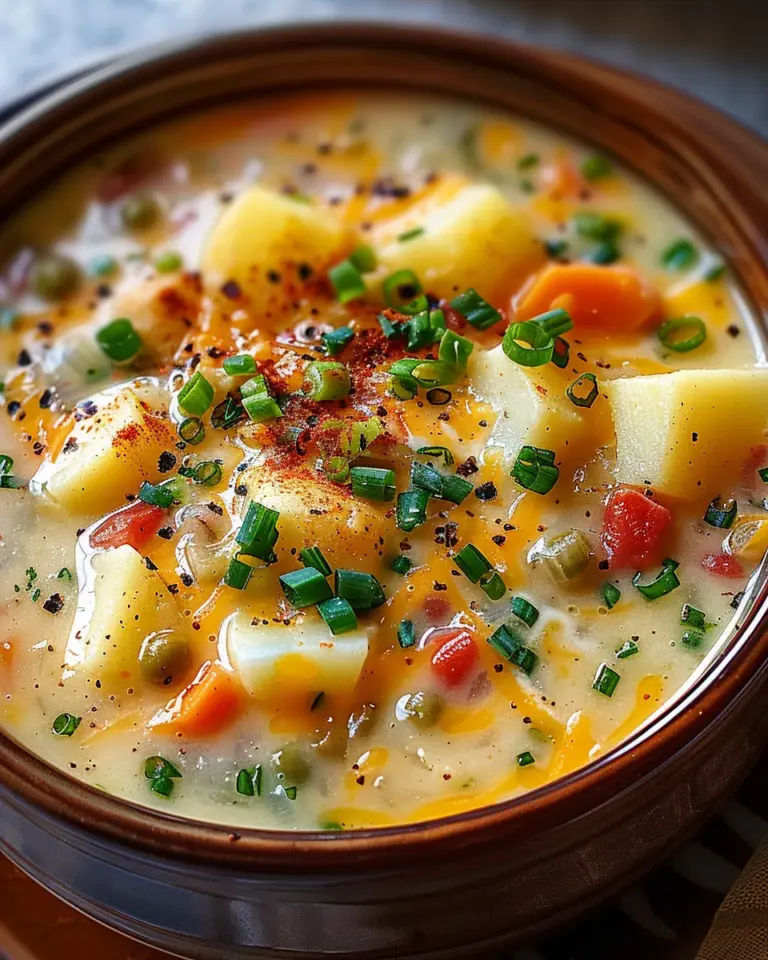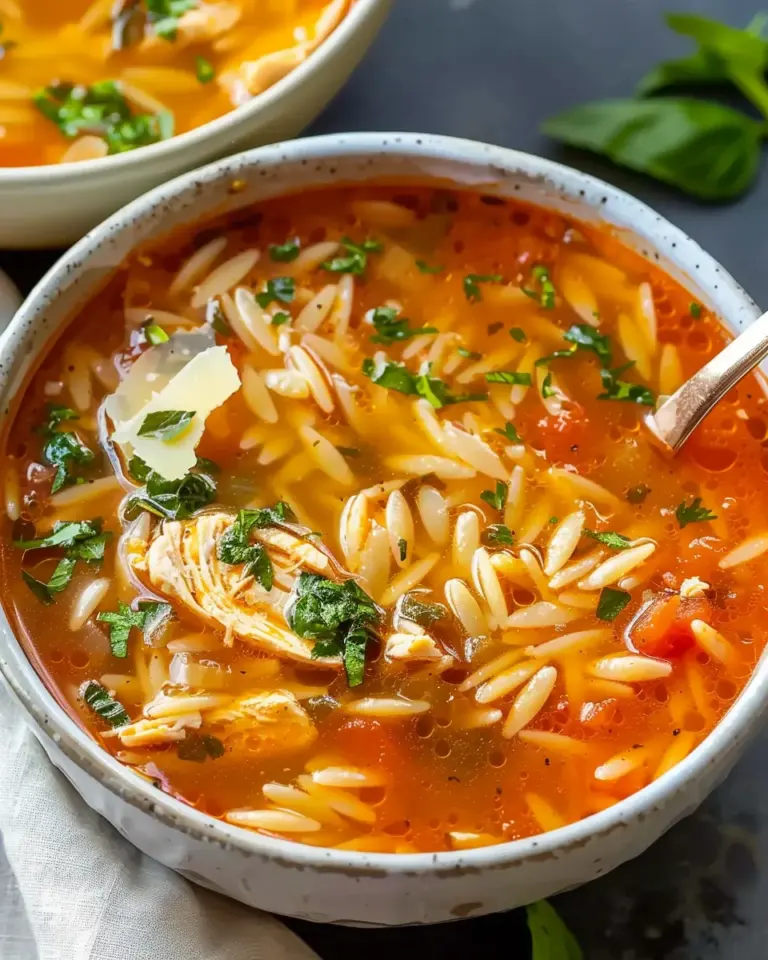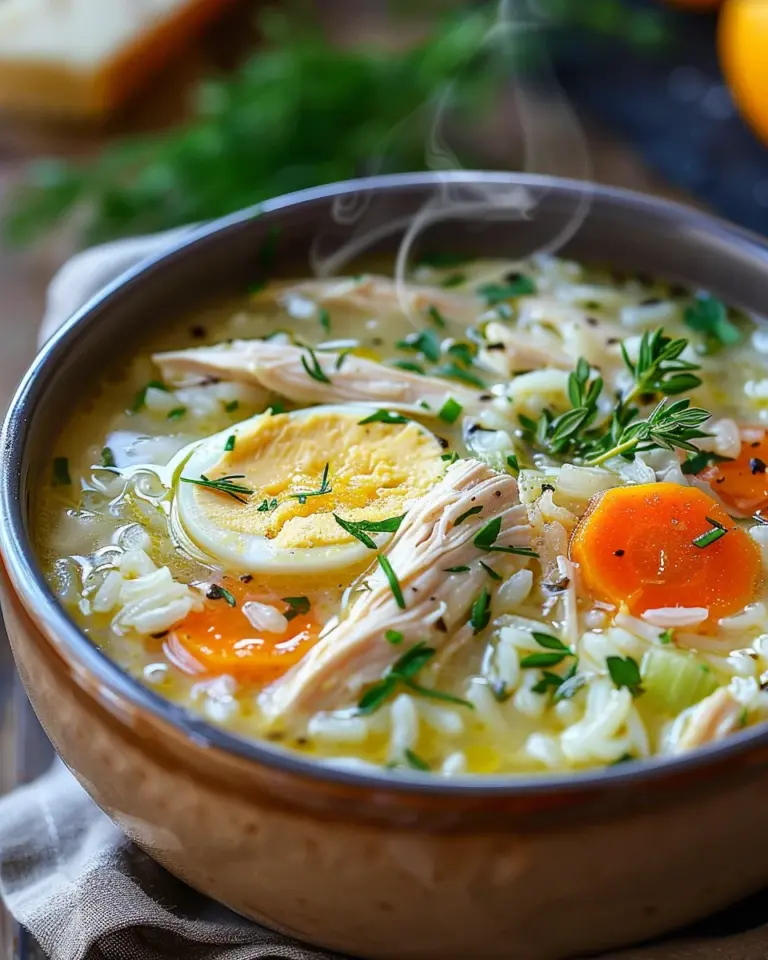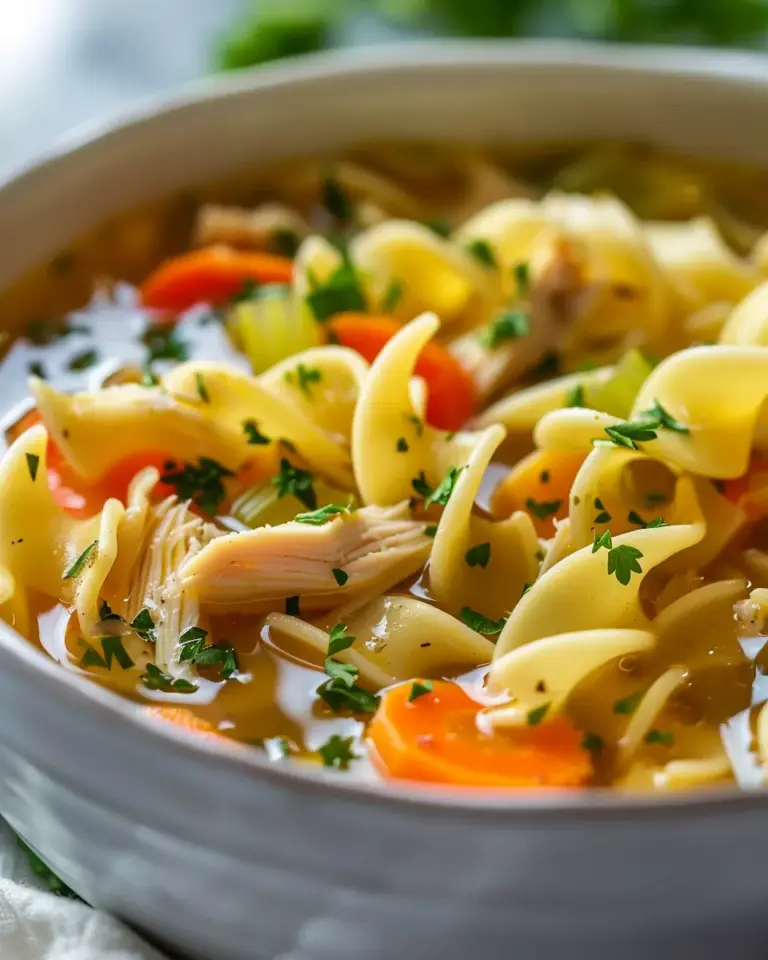
Russian Fish Soup Ukha
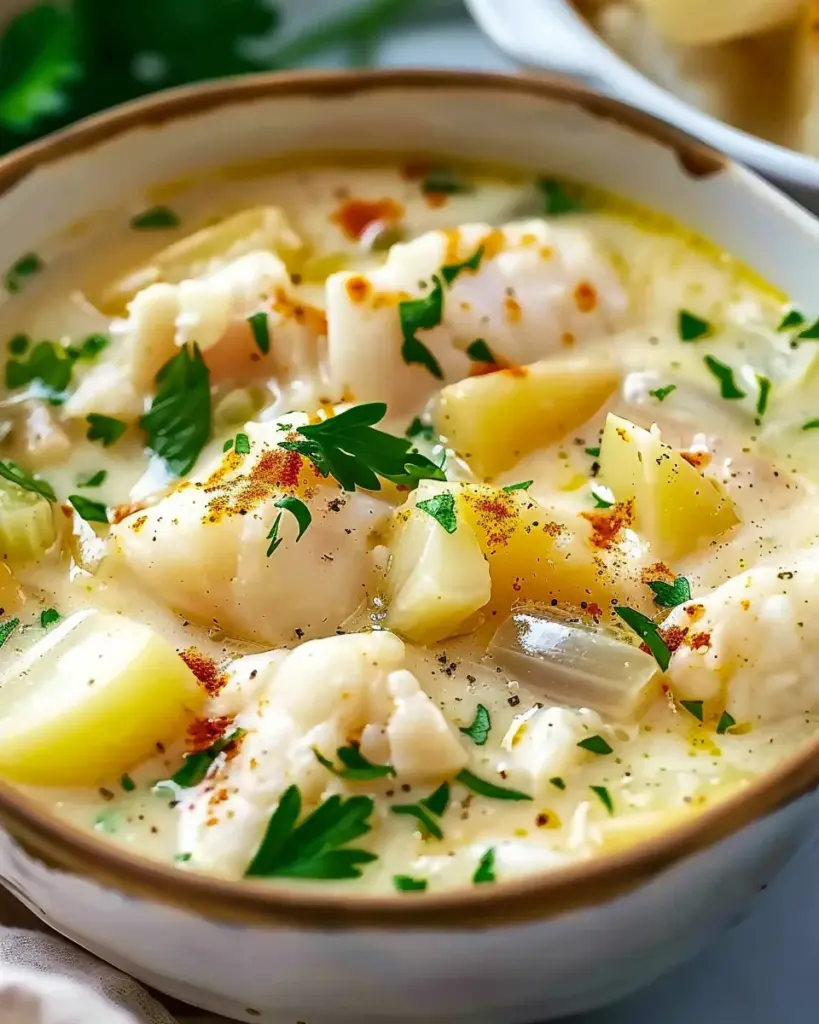
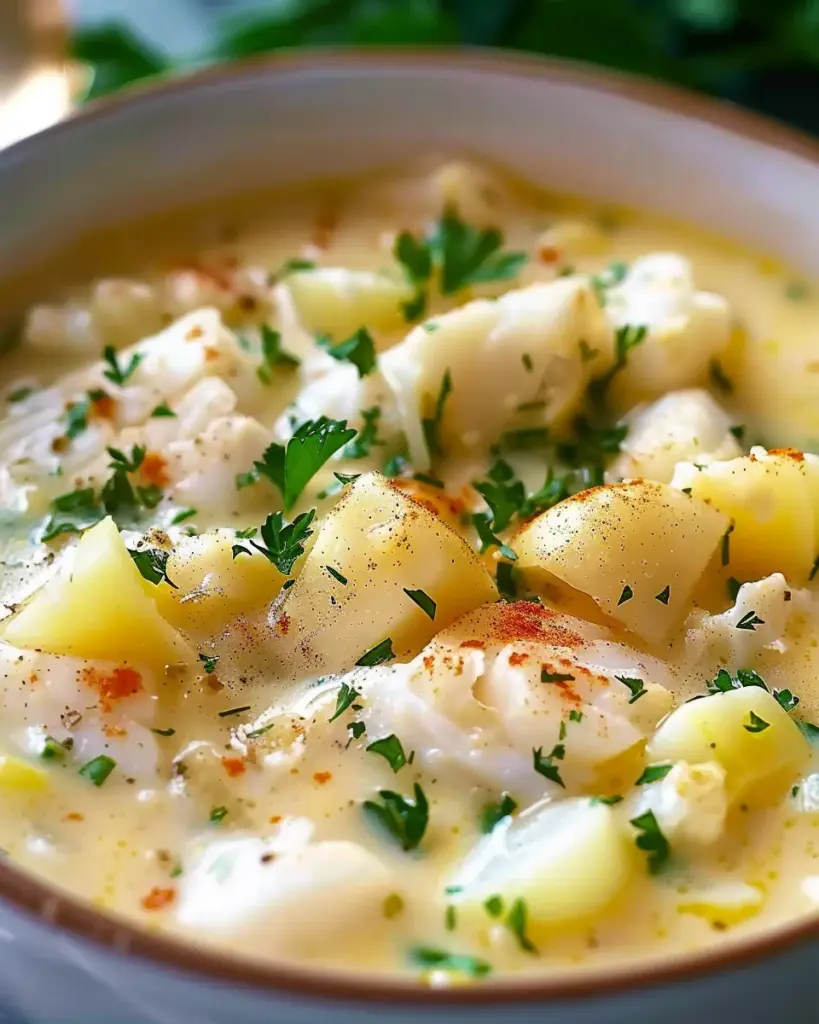
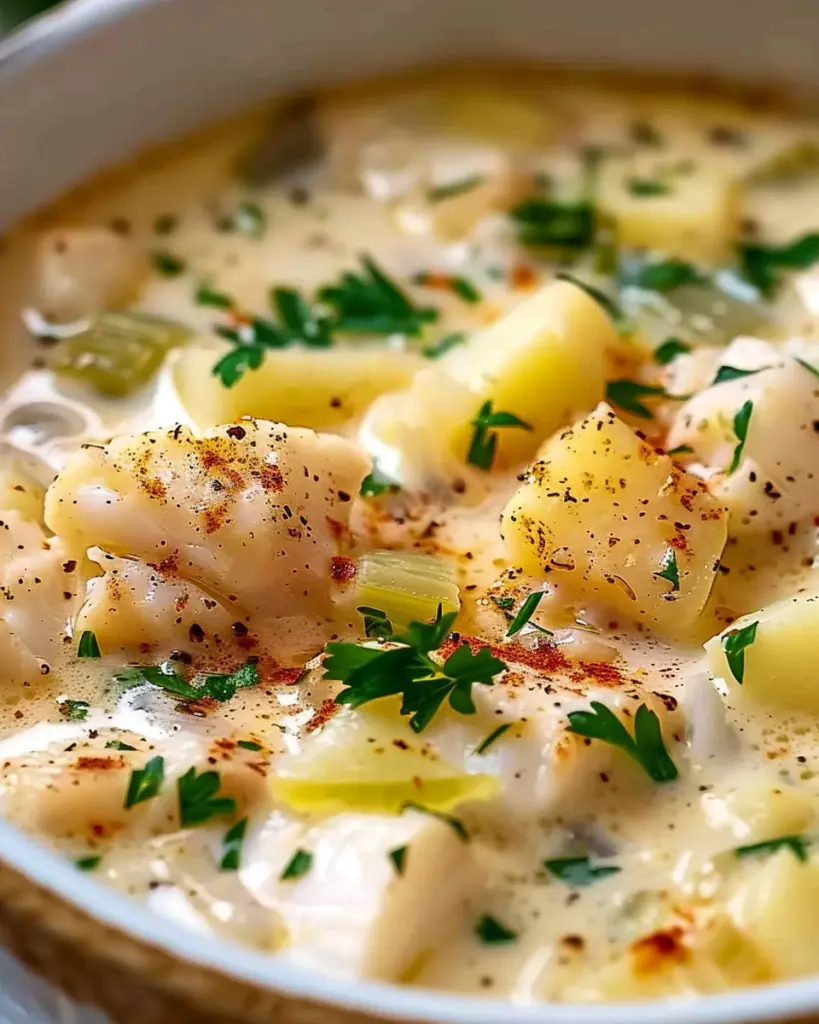
Russian Fish Soup Ukha is a traditional, clear, aromatic soup originating from Russian cuisine, where it’s been enjoyed for centuries. Made with a flavorful fish broth, root vegetables like potatoes and carrots, and fresh herbs such as parsley and lovage, ukha is a dish that’s both rustic and refined.
Unlike chowders or creamy seafood soups, ukha stands out for its lightness and clarity. The broth is built from whole fish or a combination of bones and fillets, giving it rich depth without heaviness. This makes ukha perfect for lunch or as an elegant starter for dinner.
Why You’ll Love This Recipe
- It uses fresh fish and herbs for maximum flavor.
- It’s light yet satisfying, perfect for all seasons.
- It brings authentic Russian tradition to your kitchen.
- The soup is customizable with herbs, vegetables, or even smoked fish.
- It’s budget-friendly and a great way to use the whole fish.
Whether you’re exploring global cuisines or looking for a new way to enjoy fish, Russian Fish Soup Ukha is a must-try.
Preparation Phase & Tools to Use
Essential Tools and Equipment
To prepare ukha properly and efficiently, you’ll need the following:
- Heavy stock pot: Ideal for slow simmering and making deep, flavorful broth.
- Immersion blender (optional): To blend a portion of the potato for thickening the soup slightly.
- Fish scaling tool or sharp knife: Essential if you’re using whole fish.
- Fine mesh strainer or sieve: Helps achieve the clear consistency ukha is famous for.
- Cutting board and sharp knife: For clean, easy chopping of vegetables and herbs.
- Ladle and large mixing bowls: For transferring broth, removing vegetables, and shredding fish.
- Soup bowls and serving spoons: For presentation and serving.
Importance of Each Tool
- The stock pot ensures even heat distribution, crucial for proper simmering.
- A strainer removes impurities, giving you that signature clear soup.
- An immersion blender lets you control texture without compromising on clarity.
- Proper knives and prep tools make working with fish and vegetables much easier and safer.
Preparation Tips
- Always start with fresh fish for the best taste and a clean, clear broth.
- Scale, gut, and rinse the fish thoroughly. If using fillets, check for bones.
- Use cold water when starting the stock to help extract flavor gradually.
- Prepare vegetables ahead of time to streamline cooking.
- Avoid vigorous stirring during simmering to maintain a clear broth.
- If using lovage, add it whole—its flavor is potent and enhances authenticity.
Ingredients
Here is the complete list of ingredients for both the broth and the final soup:
For the Fish Stock:
- 1 whole seabream (gutted and scaled)
- 1 salmon or trout fillet
- 1/2 large yellow onion (left whole)
- 2 whole carrots
- 2 stalks fresh celery with leaves (whole)
- 1/2 bunch parsley, chopped
- 2 stalks lovage (optional, left whole)
- 1 bay leaf
- 4 liters water
- Salt & pepper, to taste
For the Soup Base:
- 1/2 yellow onion, finely diced
- 2 carrots, roughly chopped
- 4 large potatoes, peeled and chopped (leave 1 whole)
- Remaining 1/2 bunch parsley, chopped
- 2 ribs celery, chopped
- 4 tablespoons olive oil
- Salt & pepper, to taste
- Juice from 1/2 lemon
Step-by-Step Directions
For the Fish Stock
- Boil the water in a large, heavy-bottomed stock pot.
- Prepare vegetables while water heats: keep half the onion, two carrots, half the chopped parsley, whole celery stalks with leaves, and lovage for the stock.
- Once boiling, add the vegetables and bay leaf. Reduce heat to the lowest setting immediately and cover the pot.
- Simmer gently for 45 minutes to develop flavor.
- Add the whole seabream and fish fillet. Simmer another 20 minutes covered.
- Remove the fish and let it cool. Then shred the meat, discarding skin and bones.
- Strain the broth through a fine sieve to remove all solids and set aside.
Tip: Use fish heads or spines if available for even more flavor.
For the Fish & Vegetable Soup
- In the same pot, heat olive oil over medium. Sauté the diced onion and chopped carrots until browned and softened.
- Add all diced potatoes, the whole potato, and half the remaining parsley.
- Pour in the reserved fish broth. Simmer on low, covered, for 25–30 minutes until potatoes are tender.
- Remove the whole potato into a bowl with some broth. Blend with an immersion blender until smooth, then stir it back into the soup to thicken slightly.
Variation: Skip blending and break the potato with a spoon for a rustic texture.
- Continue simmering until all vegetables are very soft.
- Add salt and pepper to taste.
- Turn off the heat. Stir in the shredded fish meat, lemon juice, and the rest of the olive oil.
- Let the soup rest for 5 minutes.
- Garnish with the remaining chopped parsley and serve.
Serving Suggestions
Once your Russian Fish Soup Ukha is hot and ready, the right serving approach elevates it from good to great. Ukha is typically served piping hot in deep bowls, garnished with fresh parsley and lemon wedges for added aroma and brightness.
Best Ways to Serve Ukha
- With crusty bread: A slice of sourdough or dark rye bread pairs perfectly.
- As a starter or light meal: Ideal before heavier main courses.
- With a dollop of sour cream: Optional, but adds creamy contrast to the clear broth.
- Rustic presentation: Serve in ceramic bowls or soup pots to echo its traditional roots.
Beverage Pairings
- Dry white wine: Complements the light fish flavor without overpowering it.
- Light beer or lager: Refreshing and easygoing alongside the broth.
- Kvass or herbal tea: For a traditional Russian table.
- Sparkling water with lemon: Clean and crisp option to enhance the dish.
Side Dish Recommendations
Pairing the right sides with ukha transforms it into a full and satisfying meal. Here are eight excellent options, each enhancing the soup’s light, brothy quality while adding contrast in texture and flavor.
1. Buttered Rye Bread
Dense, earthy rye bread is a Russian staple. Spread with high-quality butter, it soaks up the broth beautifully while adding satisfying bite and richness.
2. Crusty Sourdough Bread
The tang of sourdough complements the brightness of the soup. Tear it apart to dip or crumble into the bowl for a rustic touch.
3. Sour Cream & Chive Dollop
Stir a spoonful of sour cream into your soup bowl and sprinkle chopped chives on top. The cream softens the acidity of lemon and herbs while boosting richness.
4. Fresh Dill & Parsley Salad
A simple herb salad tossed with olive oil and lemon juice pairs well with the soup’s delicate flavors. It adds brightness, crunch, and a herbal echo.
5. Pickled Vegetables
Russian-style pickled cucumbers or sauerkraut provide a tangy, crunchy contrast. The vinegar cuts through the soup’s warmth and rounds out the palate.
6. Potato Pancakes (Draniki)
Golden and crisp, these pancakes offer a hearty counterpart to the soft vegetables in ukha. They’re especially welcome in colder months.
7. Steamed Green Beans with Garlic
Green beans steamed until just tender, then tossed in garlic and olive oil, bring a fresh and vibrant element to the table without overwhelming the soup.
8. Lemon-Herb Rice Pilaf
A subtly seasoned rice dish with lemon zest and parsley absorbs any extra broth. Its neutral base helps anchor the meal if you’re serving ukha as a main course.
Common Mistakes to Avoid & How to Perfect the Recipe
Even though ukha is straightforward, several common pitfalls can affect its clarity, texture, or flavor. Here’s how to avoid them.
1. Using Low-Quality or Old Fish
Problem: Older fish can create off-flavors and muddy the broth.
Solution: Always use the freshest fish you can find. If using frozen fish, ensure it’s thoroughly thawed and cleaned.
2. Boiling the Broth Too Hard
Problem: Rapid boiling emulsifies fats and proteins, resulting in cloudy broth.
Solution: Simmer gently on low heat. Start with cold water, bring to a boil slowly, then reduce to a low simmer immediately.
3. Not Straining the Stock
Problem: Bits of bone or vegetable debris cloud the soup.
Solution: Use a fine-mesh sieve or cheesecloth to strain the stock. Always strain after removing vegetables and fish.
4. Overcooking the Fish Meat
Problem: Fish becomes mushy or disintegrates.
Solution: Remove the fish after making the stock, shred the meat carefully, and add it back only after cooking the vegetables.
5. Overloading with Vegetables
Problem: Too many vegetables dilute the flavor and overwhelm the broth.
Solution: Keep to a modest selection. Classic ukha is clear and light, not a thick vegetable stew.
6. Skipping the Optional Thickening Step
Problem: Some prefer a slightly thicker soup but forget or skip this step.
Solution: Blend the whole potato with a bit of broth and return it to the pot. It thickens the soup without making it heavy.
7. Using Too Much Lemon Too Early
Problem: Lemon added too soon can turn bitter or dominate the flavor.
Solution: Add lemon juice or wedges at the end, just before serving. It preserves the citrusy brightness without interfering with the simmer.
8. Not Cleaning the Fish Properly
Problem: Gills, scales, and leftover organs impart bitter or fishy flavors.
Solution: Fully gut, scale, and rinse your fish. If you’re using a fish head, remove the gills before simmering.
Recipe Tips
- Use multiple types of fish: Combining white fish like seabream with fatty fish like salmon or trout provides a fuller flavor and better mouthfeel.
- Add herbs at the end: Fresh herbs like parsley or dill release their best aroma when added off-heat just before serving.
- Strain your broth carefully: Use a fine mesh sieve or even a double-layer of cheesecloth to keep the broth clear.
- Don’t over-stir while simmering: Gently simmer to avoid breaking fish or vegetables into the broth, which can make it cloudy.
- Serve immediately for best flavor: While it can be stored, ukha is best enjoyed fresh when the broth is bright and the herbs are vibrant.
Storage Instructions
- Refrigeration: Store leftover soup in an airtight container in the refrigerator for up to 4 days. The flavor remains pleasant, though the broth may thicken slightly due to the potatoes.
- Freezing: Freeze the fish stock separately if planning ahead. You can also freeze the full soup without the herbs and lemon; add those fresh after thawing.
Reheating Instructions
- On the stove: Warm slowly over low heat, stirring occasionally. Avoid bringing it to a boil to preserve the fish texture.
- Microwave: Use a microwave-safe bowl. Reheat in 1-minute increments at medium power, stirring between each interval.
- Refresh before serving: Add fresh parsley or a wedge of lemon to brighten the reheated soup.
Frequently Asked Questions (FAQs)
Can I use frozen fish instead of fresh?
Yes, but fresh fish provides better flavor and clarity. If using frozen fish, ensure it’s well-thawed and cleaned thoroughly. Frozen fish may produce a slightly cloudier broth.
What kinds of fish are best for ukha?
Traditionally, freshwater fish like bream, perch, or pike are used. For easier access, you can substitute with seabream, salmon, trout, or even cod. Using a combination improves depth of flavor.
Do I have to use whole fish?
No, but whole fish (especially with head and bones) produces a richer, more authentic broth. If using fillets only, consider adding fish bones or heads separately while making the stock, then discard them after straining.
How do I keep the broth clear?
The key is gentle simmering and proper straining. Avoid boiling. Skim off foam that rises while simmering, and don’t stir too vigorously.
Is ukha served with anything specific?
Yes. Common pairings include:
- Rye bread or sourdough
- Sour cream
- Pickled vegetables
- Light herb salads
- Lemon wedges for garnish
These sides enhance the flavor and texture of the soup.
Can I make this ahead of time?
You can prepare the stock ahead and refrigerate or freeze it. The finished soup is best enjoyed fresh, but you can make it up to a day in advance and reheat gently.
Can I make this vegetarian?
Technically, no. A vegetarian version without fish wouldn’t be considered traditional ukha. However, you can make a similar root vegetable broth with smoked tofu or seaweed for umami depth, though it will be more of a vegetable soup inspired by ukha.
What’s the difference between ukha and other fish soups?
Ukha is known for its clear, broth-like consistency, minimal vegetable use, and emphasis on fresh fish and herbs. Unlike chowders or bisques, there’s no cream, butter, or flour, making it light yet rich in flavor.
Can I use smoked fish?
Yes, but use it carefully. Smoked fish adds a deep, salty, and rich flavor. Add it toward the end of cooking or just before serving to retain its texture and prevent over-salting.
Is it gluten-free?
Yes, naturally. Ukha contains no wheat or gluten unless served with bread that contains gluten. Always check side dish ingredients if serving to gluten-sensitive guests.