easy Minestrone Soup
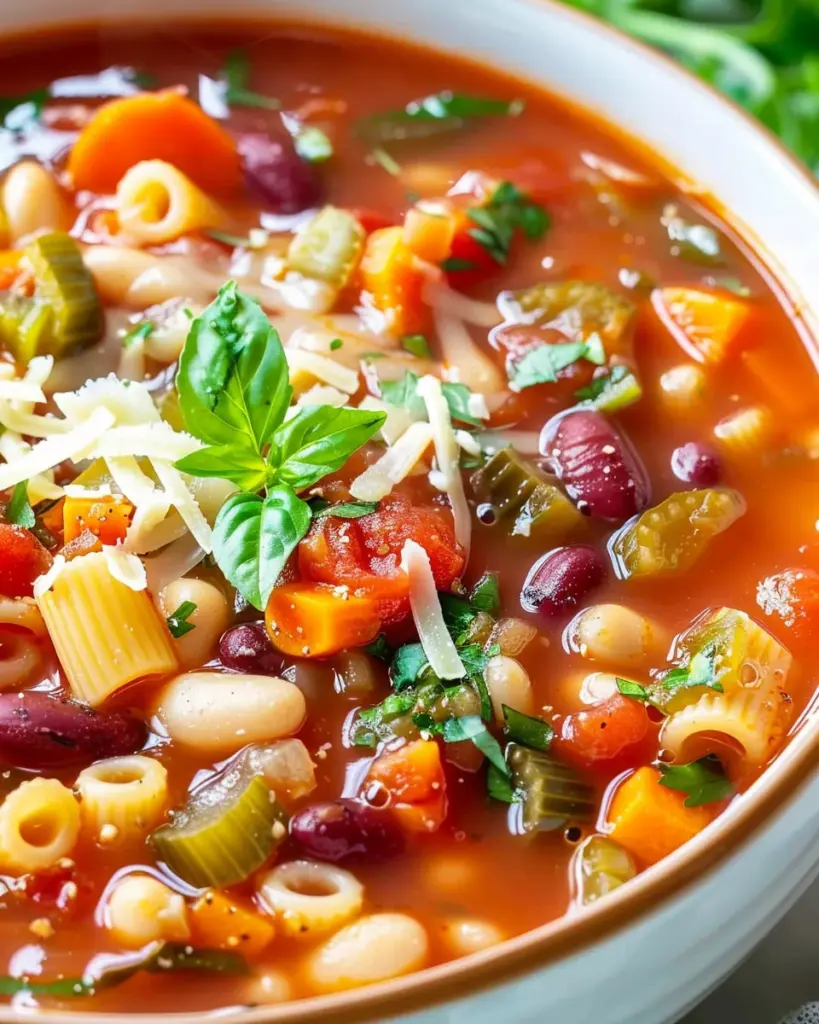
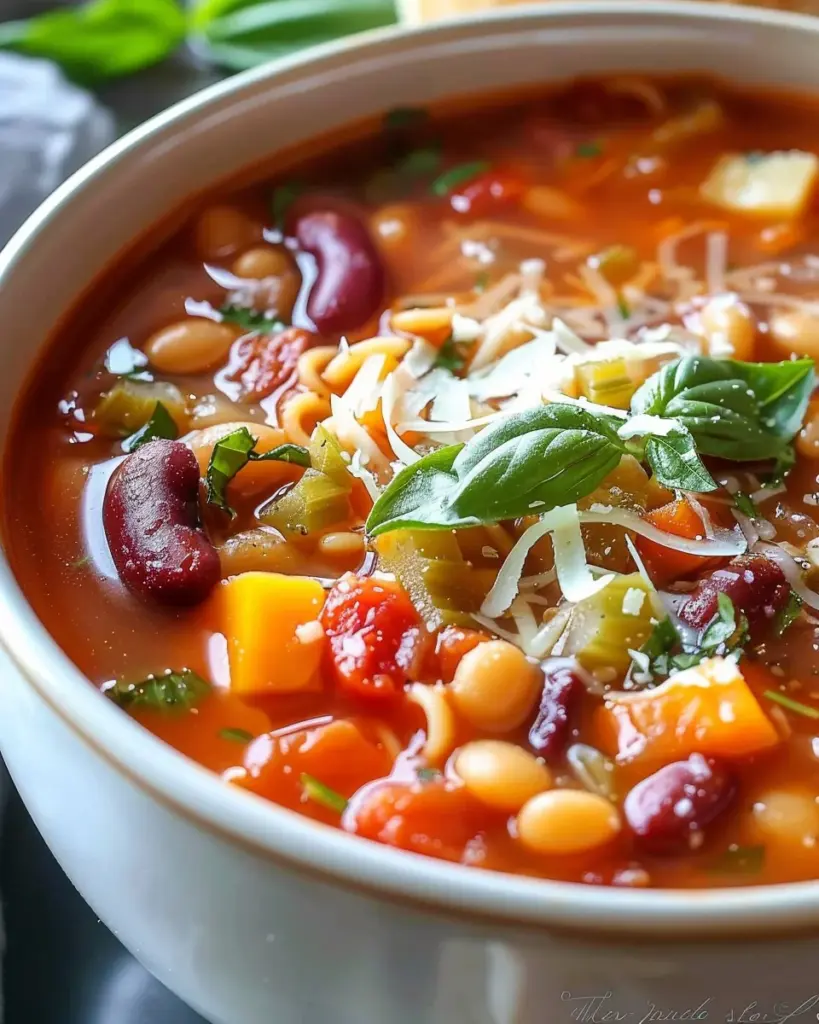
Minestrone soup is a hearty, classic Italian vegetable soup made with a vibrant medley of vegetables, tender beans, and pasta simmered in a rich tomato broth. This one-pot wonder is comforting, nutritious, and incredibly flexible—perfect for using up pantry staples or seasonal produce. Whether you’re looking for a cozy weeknight dinner or a healthy meal-prep option, this minestrone soup recipe delivers big flavor with minimal fuss.
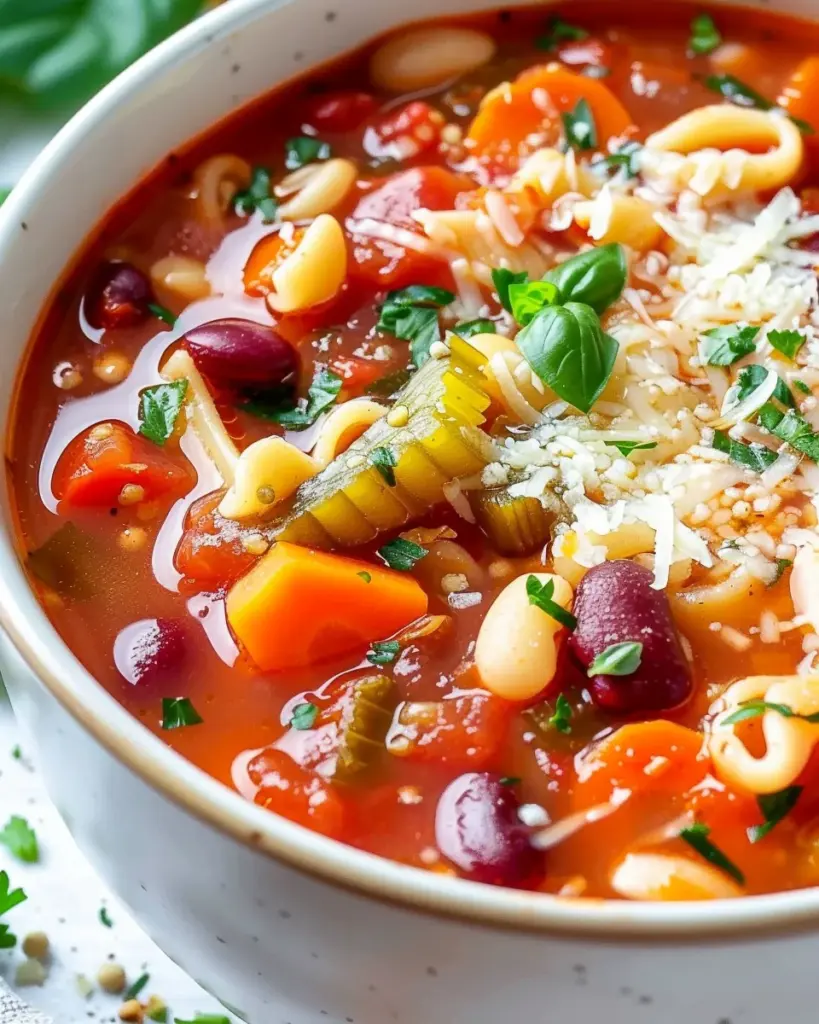
Why You’ll Love This Minestrone Soup Recipe
- Hearty and nourishing with plenty of vegetables and beans.
- Uses common pantry ingredients—perfect for busy weeknights.
- Excellent for leftovers and freezer-friendly.
- Easily adapted for vegan or vegetarian diets.
- Balanced with fiber, protein, and carbs.
- Packed with flavor thanks to aromatic veggies and Italian seasoning.
Preparation Phase & Tools to Use
Essential Tools and Equipment
To create a smooth and efficient cooking experience, gather the following tools:
- Large soup pot or Dutch oven – Ideal for sautéing and simmering large batches evenly.
- Wooden spoon or heat-safe spatula – For stirring and scraping the bottom of the pot.
- Chopping board and sharp knife – Essential for prepping vegetables.
- Can opener – To open canned tomatoes and beans.
- Measuring cups and spoons – Ensures precise quantities.
- Ladle – For serving generous portions without mess.
- Grater – For finishing with freshly grated Parmesan.
Importance of Each Tool
- A large pot prevents overcrowding and allows ingredients to cook evenly.
- Sharp knives speed up prep and ensure consistent veggie sizes, which promotes even cooking.
- Measuring tools guarantee the right balance of broth, seasoning, and pasta.
- Can openers save time and effort when dealing with canned beans and tomatoes.
- A ladle makes serving thick soup neat and efficient.
Preparation Tips
- Chop vegetables uniformly so everything cooks at the same rate.
- Rinse and drain beans thoroughly to remove excess sodium and preservatives.
- Prep all ingredients before cooking (“mise en place”) for a stress-free process.
- If planning to freeze the soup, cook pasta separately to prevent mushy leftovers.
- Taste the soup before serving and adjust seasoning as needed.
Ingredients
Here’s everything you’ll need for this classic minestrone soup recipe:
- 1 tablespoon olive oil
- 1 tablespoon butter
- 1 medium onion, chopped
- 2 sticks celery, chopped
- 3 medium carrots, peeled and sliced
- 3 cloves garlic, minced
- 1 (28 oz) can crushed tomatoes
- 4 cups chicken broth or vegetable broth
- 1 small zucchini, chopped
- 1 cup fresh green beans, chopped
- 1 (14 oz) can red kidney beans, drained and rinsed
- 1 (14 oz) can white kidney (cannellini) beans, drained and rinsed
- ½ teaspoon Italian seasoning
- ¾ cup uncooked elbow macaroni
- Salt and pepper, to taste
- Fresh basil (optional), to taste
- Freshly grated Parmesan cheese, for serving
Note: To make this recipe vegetarian or vegan, use vegetable broth and omit the butter and Parmesan or use plant-based alternatives.
Step-by-Step Directions
Follow these easy steps to make your own flavorful, vegetable-packed minestrone soup.
- Sauté the aromatics
Heat olive oil and butter in a large soup pot over medium heat. Add chopped onion, celery, and carrots. Sauté for 7–10 minutes until vegetables begin to soften. - Add garlic
Stir in minced garlic and cook for another 1 minute, until fragrant. - Add broth and veggies
Pour in crushed tomatoes and broth. Stir in chopped zucchini, green beans, red kidney beans, white kidney beans, and Italian seasoning. - Bring to a boil
Increase the heat to high and bring the soup to a boil. - Simmer covered
Reduce the heat to a simmer. Partially cover the pot with a lid and cook for 10 minutes. - Add pasta
Stir in the uncooked elbow macaroni. Simmer uncovered for 15–20 minutes, stirring occasionally, until the pasta and vegetables are tender. - Season and finish
Taste the soup and add salt and pepper as needed. Stir in chopped fresh basil if using. Serve hot, topped with grated Parmesan cheese.
Pro Tips and Variations
- For a thinner soup, add an extra splash of broth—especially when reheating leftovers.
- Use other small pasta shapes like ditalini, orzo, or small shells.
- Add spinach or kale during the last 5 minutes of cooking for extra greens.
- For a low-carb version, skip the pasta and add more beans or chopped cauliflower.
- Freeze without pasta for the best texture when reheated.
Serving Suggestions
A bowl of minestrone soup is hearty enough to stand alone but pairs beautifully with a variety of simple sides and garnishes that can elevate the meal. Here’s how to make each serving satisfying and complete.
How to Serve Minestrone Soup
- Serve hot in large soup bowls, finished with fresh basil and grated Parmesan cheese.
- Drizzle with extra-virgin olive oil just before serving for a richer mouthfeel.
- Pair it with toasted crusty bread or garlic bread for dipping into the savory tomato broth.
- Offer a side salad to balance the richness with something fresh and crisp.
- Use soup as a starter for a larger Italian-style dinner or serve it as a main course for lunch or a light dinner.
- For a vegan version, skip the Parmesan and use vegan cheese or nutritional yeast.
- Garnish with red chili flakes or cracked black pepper if you enjoy extra spice.
Common Mistakes To Avoid & How to Perfect the Recipe
Mistake 1: Overcooked or Mushy Pasta
Solution: Add pasta during the final 15–20 minutes of cooking. If you plan to store or freeze the soup, cook pasta separately and add just before serving.
Mistake 2: Unevenly Cooked Vegetables
Solution: Chop all vegetables to roughly the same size so they cook at the same rate. Start with firmer vegetables like carrots and celery, then add softer ones like zucchini and green beans.
Mistake 3: Soup Becomes Too Thick
Solution: Monitor liquid levels and add broth as needed. The pasta will absorb liquid over time, especially in leftovers. Always have extra broth on hand for reheating.
Mistake 4: Bland Flavor
Solution: Use high-quality broth and season generously with salt, pepper, and Italian seasoning. Sautéing aromatics like onion, garlic, and celery creates a flavorful base. Add fresh herbs and Parmesan at the end for a burst of flavor.
Mistake 5: Using Canned Beans Without Rinsing
Solution: Always drain and rinse canned beans thoroughly to remove excess sodium and canned flavor.
Mistake 6: Forgetting the Garnish
Solution: Don’t underestimate the power of fresh basil, good Parmesan, and a drizzle of olive oil. These finishing touches add depth and balance.
Mistake 7: Not Letting Flavors Develop
Solution: Like many soups, minestrone tastes even better the next day. Make it ahead and let the flavors meld in the fridge overnight.
Mistake 8: Poor Ingredient Substitution
Solution: If you substitute ingredients, stick to similar textures and cooking times. For example, spinach can replace kale, but both should be added at the end of cooking.
Side Dish Recommendations
Pairing minestrone soup with a complementary side dish can create a well-rounded and satisfying meal. Below are eight great options:
1. Garlic-Rosemary Crusty Bread
- A classic side that’s perfect for dipping into the rich tomato broth. The crunch and garlic flavor enhance the comforting elements of the soup.
2. Arugula & Parmesan Salad with Lemon Vinaigrette
- Light and peppery arugula dressed with lemon juice and olive oil balances the hearty flavors of the soup. Add shaved Parmesan for an Italian flair.
3. Roasted Brussels Sprouts with Balsamic Glaze
- Roasted until crispy and drizzled with balsamic reduction, these make a hearty vegetable side that complements the soup’s savory notes.
4. Grilled Cheese Sandwich
- A warm, melty grilled cheese sandwich pairs perfectly with minestrone soup. Use sourdough or Italian bread with sharp cheddar or mozzarella.
5. Steamed Asparagus with Lemon & Olive Oil
- Simple yet elegant, steamed asparagus brings brightness and a fresh texture that contrasts well with the soup.
6. Caprese Salad Skewers
- Skewers with cherry tomatoes, mozzarella balls, and basil leaves offer a light, cold complement to the hot soup and maintain the Italian theme.
7. Sauteed Green Beans with Garlic & Almonds
- A crisp-tender side that mirrors the green beans in the soup, but with added crunch from slivered almonds.
8. Parmesan Polenta Fries
- Baked polenta fries sprinkled with Parmesan offer a crunchy, cheesy addition that feels indulgent yet fits the Italian flavor profile.
Recipe Tips
- Chop vegetables uniformly for even cooking and the best texture.
- Use high-quality broth—whether chicken or vegetable—for the most flavorful base.
- Choose small pasta shapes like elbow macaroni, ditalini, or small shells so they don’t overpower the soup.
- Use fresh herbs like basil or parsley at the end of cooking for a burst of freshness.
- For a vegan version, use olive oil instead of butter and skip the Parmesan or use a plant-based alternative.
- To boost protein, you can add shredded chicken or turkey, although traditional minestrone is meatless.
- For extra richness, drizzle olive oil just before serving.
Storage Instructions
- Refrigerator: Store in an airtight container for up to 4 days. The flavors deepen over time, making it even tastier the next day.
- Freezer: If planning to freeze, cook the pasta separately or omit it. Freeze soup in airtight containers or freezer bags for up to 3 months.
- Label each container with the date and contents for easy identification.
Reheating Instructions
- Stovetop: Reheat over medium heat in a saucepan, stirring occasionally. Add extra broth or water to adjust consistency as pasta absorbs liquid.
- Microwave: Heat in a microwave-safe bowl covered loosely, using 1-minute intervals and stirring between each. Add broth as needed to loosen texture.
- If freezing pasta separately, add freshly cooked pasta to the reheated soup just before serving to maintain the best texture.
Frequently Asked Questions (FAQs)
Can I make this minestrone soup vegetarian or vegan?
Yes. Simply use vegetable broth instead of chicken broth. Skip the butter and Parmesan, or use plant-based alternatives for a fully vegan version.
What pasta shape is best for minestrone soup?
Short, sturdy pasta shapes work best. Options include elbow macaroni, ditalini, or small shells, as they hold up well and fit comfortably on a spoon.
How do I prevent the pasta from getting mushy?
Cook the pasta separately if you plan to store or freeze the soup. If cooked in the soup, serve it immediately and add more broth when reheating, as the pasta will absorb liquid over time.
What vegetables can I use?
This recipe is highly flexible. You can add spinach, kale, potatoes, squash, or other seasonal vegetables. Just be sure to adjust cooking times based on the hardness of the vegetables.
Can I freeze minestrone soup?
Yes, but for best results, freeze it without the pasta. Pasta tends to become mushy when thawed. Add freshly cooked pasta when you reheat the soup.
How long does minestrone soup last in the fridge?
Properly stored in an airtight container, it lasts for up to 4 days. The flavors often improve over time, making it great for meal prep.
Is minestrone soup healthy?
Absolutely. It’s loaded with vegetables, high in fiber and plant-based protein, and uses a low-fat tomato broth. It’s a great way to enjoy a balanced meal.
Can I make this in an Instant Pot?
Yes. Sauté the aromatics using the sauté function, then add the remaining ingredients (except pasta). Cook on high pressure for 5–6 minutes, then stir in cooked pasta after pressure release.