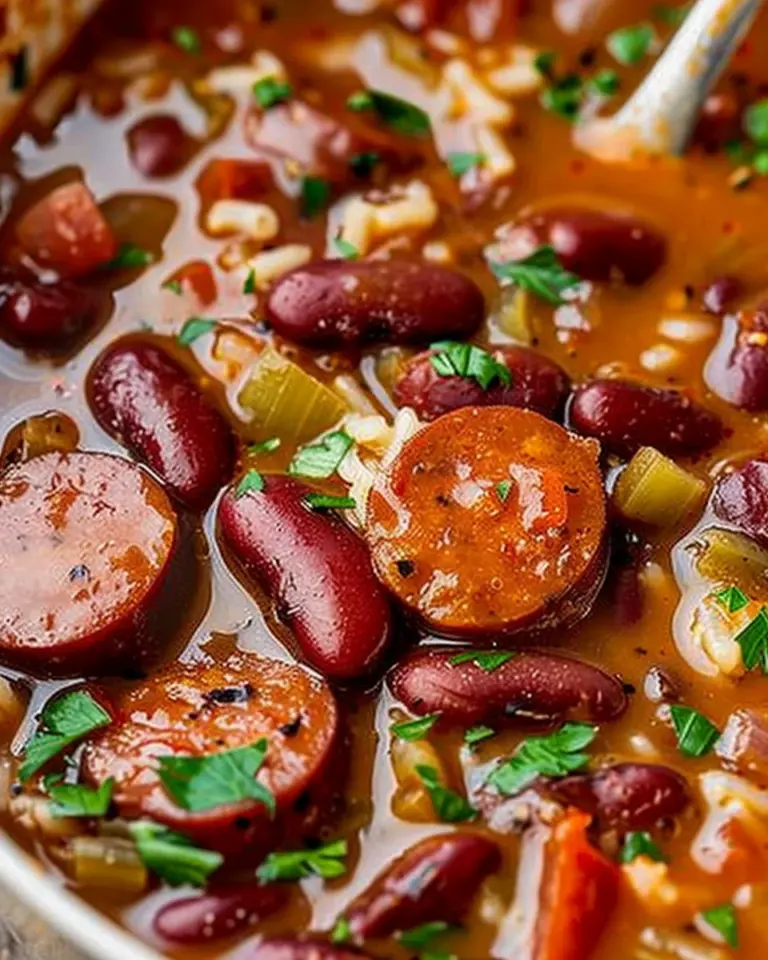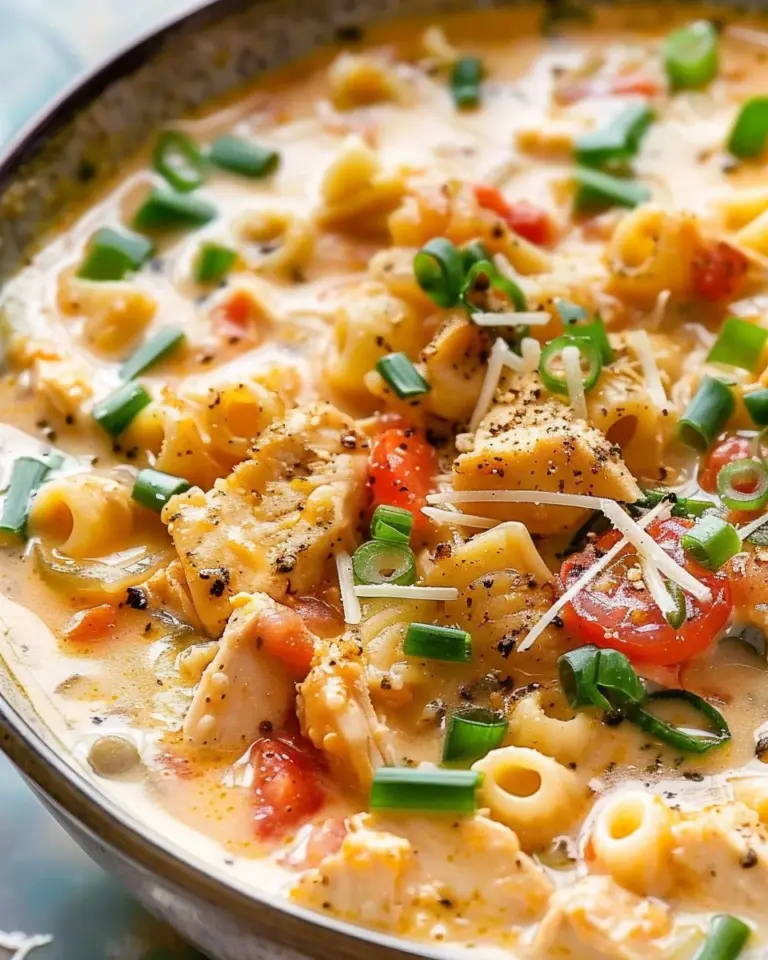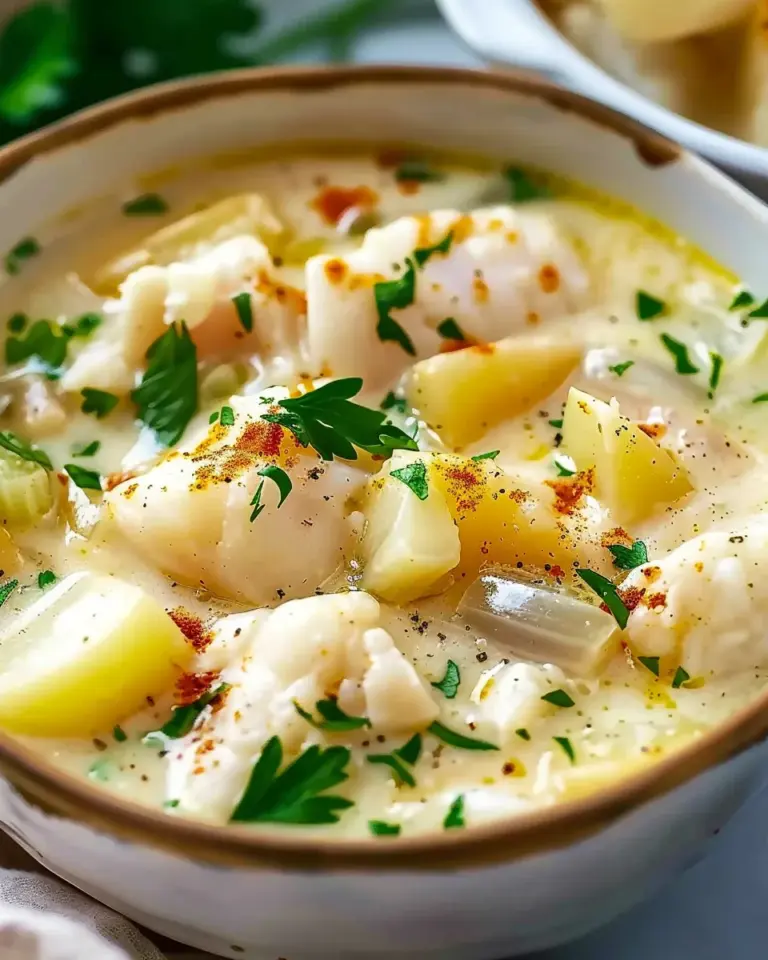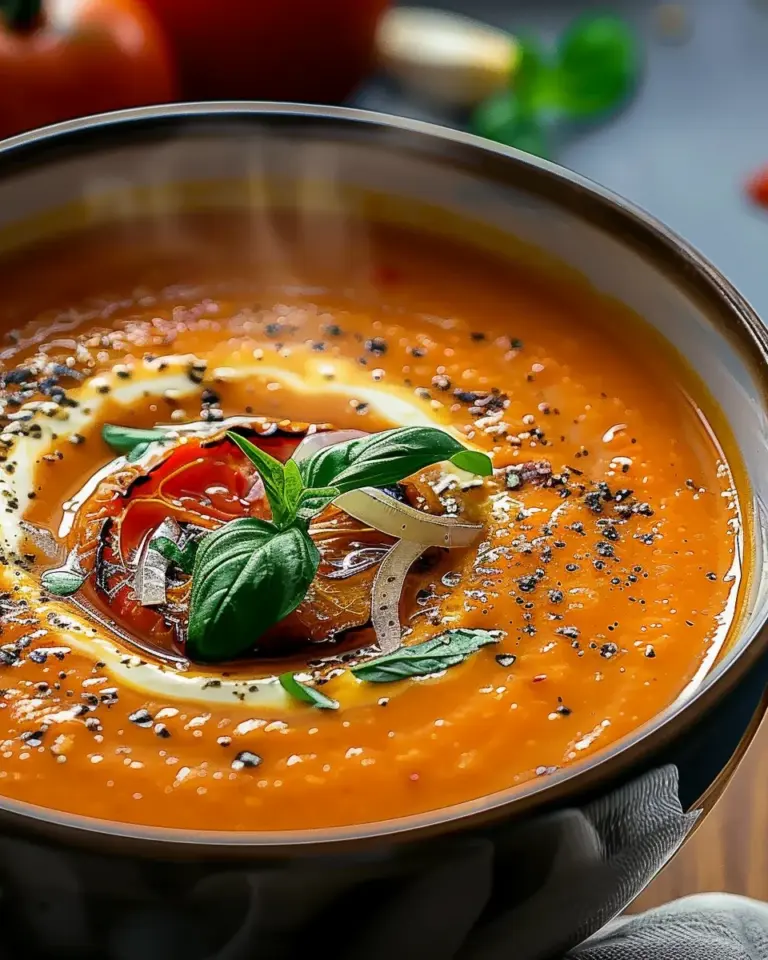
Fisherman’s Soup
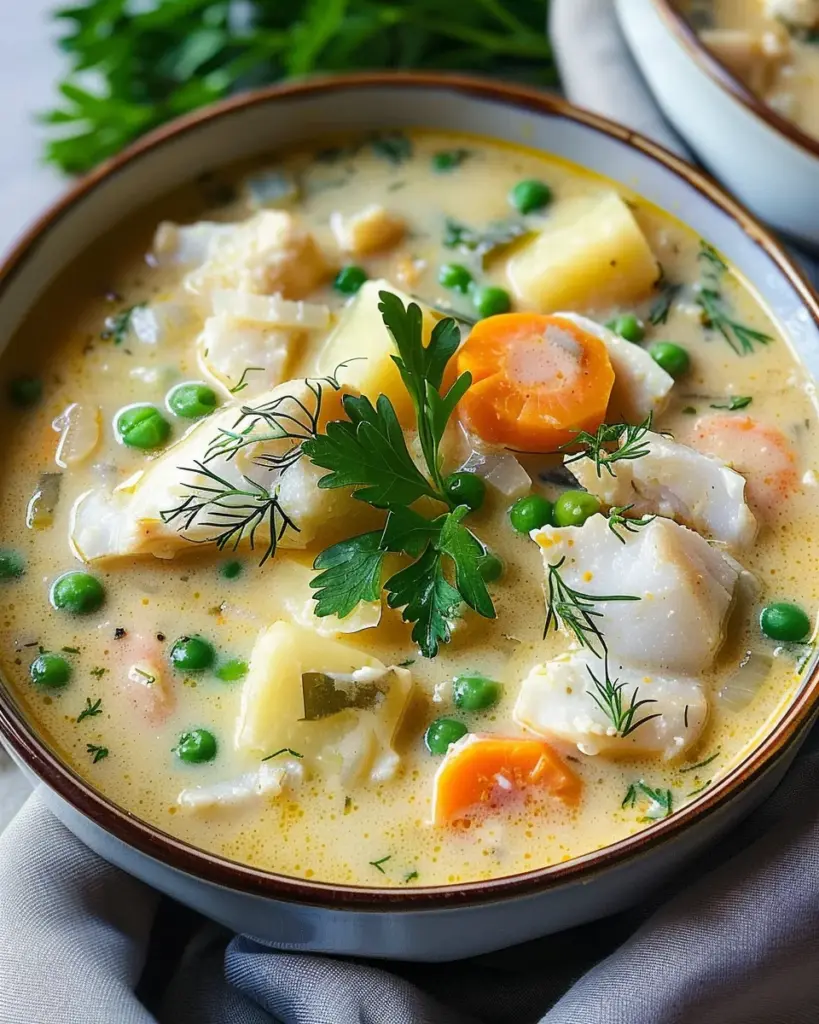
Fisherman’s Soup is a bold, fiery dish that captures the soul of Hungary’s riverside culinary heritage. With its deep red, paprika‑infused broth and generous mix of flaky white fish and shellfish, every spoonful delivers warmth, flavor, and history. Born on the banks of the Danube and the Tisza, this soup was traditionally cooked in kettles over open flames by Hungarian fishermen.
What Makes It So Special?
- Bursting with flavor – paprika, onions, tomatoes, and fresh fish create rich complexity
- Cultural significance – one of Hungary’s most iconic dishes, known as halászlé
- Highly customizable – easily adapted to available seafood or dietary needs
- Perfect for chilly days – comforting yet light
- Impressive yet easy – simple prep, vibrant presentation
Whether you’re feeding your family or looking to impress guests, Fisherman’s Soup is the kind of dish that brings people together around the table.
Heritage of Fisherman’s Soup
This soup dates back centuries and is traditionally known as halászlé in Hungarian. It originated with fishermen who prepared the soup in metal cauldrons by the riverbanks, using the day’s fresh catch and hearty amounts of paprika. Two main regional styles developed:
- Szeged style – strained broth, smoother texture, milder spice
- Baja style – unstrained, bolder and spicier, often served with handmade noodles (gyufatészta)
These regional variations showcase Hungary’s rich culinary landscape and the central role of river fish and paprika in the national identity.
Why This Recipe Works
This Fisherman’s Soup recipe delivers everything you want in a rustic, deeply flavored seafood soup.
- Fresh seafood flavors – shrimp, mussels, and firm white fish add variety
- Traditional spices – authentic Hungarian paprika gives it color and depth
- Flexible ingredients – easy to adjust based on what’s available
- No alcohol or pork – family-friendly and inclusive
- Ready in under an hour – without sacrificing flavor
It’s bold, comforting, and rooted in one of Europe’s great food cultures.
Preparation Phase & Tools to Use
Essential Tools and Equipment
Before you start cooking Fisherman’s Soup, gather the following tools:
- Heavy-bottomed soup pot or Dutch oven – ensures even cooking and deep flavor development
- Ladle – for serving the broth and fish evenly
- Slotted spoon – removes seafood gently without breaking pieces
- Sharp knife & cutting board – essential for chopping vegetables and fish
- Measuring cups & spoons – for precision in seasoning
- Serving bowls – deep enough to hold both broth and seafood
Importance of Each Tool
- A heavy-bottomed pot helps prevent scorching and allows even heat distribution, which is vital for flavor development.
- A slotted spoon helps remove delicate shellfish like mussels without damaging them.
- Sharp knives ensure clean cuts on seafood, avoiding shredded textures.
Preparation Tips
- Use fresh seafood whenever possible to ensure the richest flavor.
- Prep all ingredients beforehand – mise en place will make the cooking smoother.
- Measure out spices ahead to avoid delays during cooking.
- Rinse shellfish thoroughly and discard any that are open before cooking.
Ingredients for Fisherman’s Soup
Organized for clarity:
Base Ingredients
- 1 tablespoon olive oil
- 1 large onion, finely chopped
- 2 garlic cloves, minced
- 1 large carrot, diced
- 1 celery stalk, diced
- 1 red bell pepper, diced
- 1 teaspoon paprika
- 1 teaspoon smoked paprika
- 1 teaspoon ground black pepper
- ½ teaspoon red pepper flakes (optional)
- 1 teaspoon salt (adjust to taste)
- 1 teaspoon dried oregano
- 1 teaspoon dried thyme
- 1 bay leaf
Liquid & Flavor Enhancers
- 4 cups fish stock (or vegetable broth)
- 1 (14-ounce) can crushed tomatoes
- 2 tablespoons tomato paste
- 1 teaspoon sugar
- 2 cups water
- Juice of 1 lemon
- Fresh parsley or cilantro for garnish
Seafood Selection
- ½ pound firm white fish (cod, halibut, tilapia, or snapper), cut into chunks
- ½ pound shrimp, peeled and deveined
- ½ pound mussels or clams, cleaned
- ½ pound squid or scallops (optional)
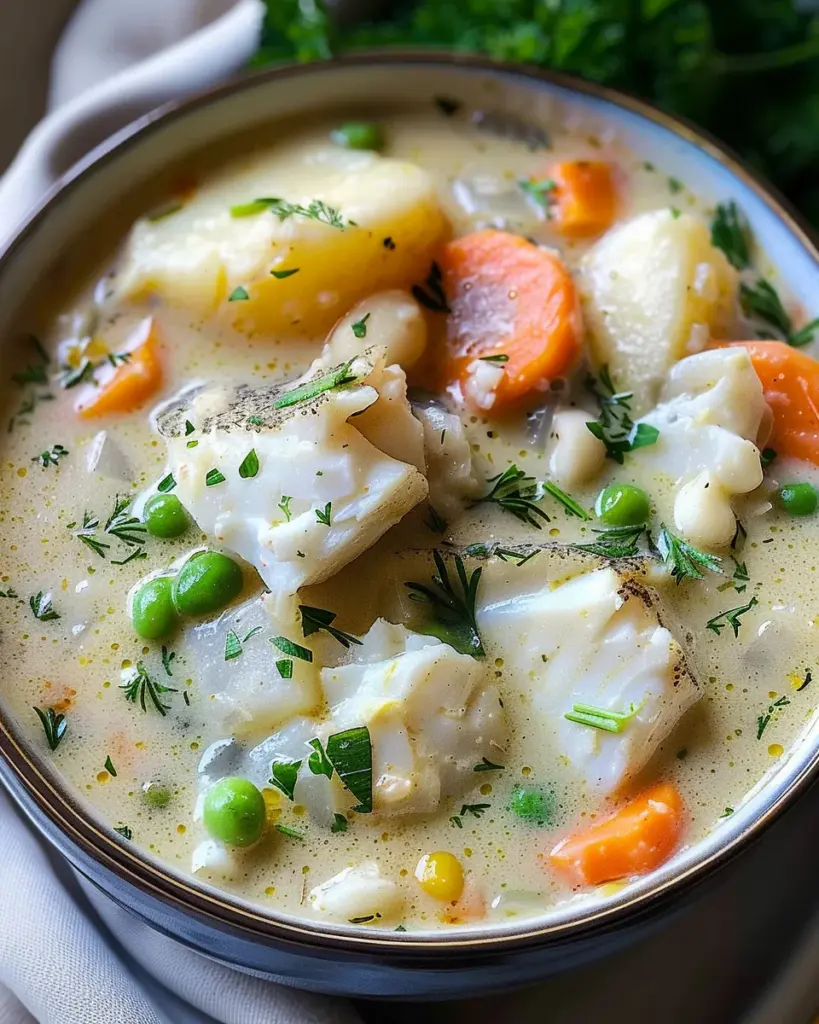
Step-by-Step Instructions
1. Prepare the Base
- Heat the olive oil in a large pot over medium heat.
- Sauté the aromatics – add onion, garlic, carrots, and celery. Cook for 5 minutes until softened.
- Add bell pepper and cook for another 3 minutes.
- Season the base – stir in paprika, smoked paprika, black pepper, red pepper flakes (if using), salt, oregano, thyme, and bay leaf. Mix well so the vegetables are fully coated in spices.
2. Build the Soup’s Flavor
- Stir in tomato paste and cook for 2 minutes to caramelize slightly and deepen flavor.
- Add crushed tomatoes, stock, and water – stir to combine.
- Balance the acidity by adding the sugar.
- Bring to a gentle boil, then reduce to a simmer. Let it cook uncovered for 20 minutes so the flavors can meld.
3. Cook the Seafood
- Add the firm white fish first and cook for 5 minutes. This ensures it stays intact without overcooking.
- Add shrimp, mussels, and clams. Cover and cook for 5–7 minutes until the shellfish open up.
- Tip: Discard any shellfish that don’t open.
- Add lemon juice, remove bay leaf, and adjust salt to taste.
4. Garnish and Serve
- Sprinkle with chopped fresh parsley or cilantro.
- Serve hot in deep bowls with thick slices of crusty bread or over steamed rice.
Tips and Variations
- Use homemade stock for deeper flavor if time permits.
- Customize the seafood with squid, scallops, or crab meat.
- Adjust the heat by increasing or reducing paprika and red pepper flakes.
- Make it thicker by blending a small portion of the soup base before adding the seafood.
- Mediterranean twist – add olives and capers for extra depth.
- Creamy version – stir in coconut milk or cream for richness.
- Vegetarian variant – use vegetable broth and add tofu or mushrooms instead of fish.
How to Serve Fisherman’s Soup
Fisherman’s Soup is best enjoyed piping hot, immediately after cooking. The rich, paprika-infused broth and tender seafood are most vibrant when fresh. Here are the best ways to serve it:
1. With Crusty Bread
- Ideal for soaking up every drop of the flavorful broth.
- Choose rustic country-style loaves, sourdough, or even baguettes.
- Lightly toast for extra crunch.
2. Over Steamed Rice
- For a more filling meal, serve the soup over a scoop of plain white or brown rice.
- Rice absorbs the broth beautifully, adding texture and body.
3. With a Fresh Side Salad
- A crisp green salad with a lemon vinaigrette balances the soup’s rich, smoky profile.
- Use arugula, romaine, cucumber, and red onions.
4. As an Appetizer
- Serve in small bowls as the first course before a seafood entrée or grilled fish.
- Ideal for formal dinners or festive occasions.
5. Recommended Beverages
- Pair with a crisp white wine such as Sauvignon Blanc or Grüner Veltliner.
- Sparkling water with lemon also makes a refreshing contrast.
Presentation Tips
- Use deep, wide bowls for generous portions.
- Garnish with a sprig of parsley or a drizzle of olive oil.
- Serve immediately while hot for maximum flavor.
Common Mistakes To Avoid & How to Perfect the Recipe
1. Overcooking the Seafood
- Mistake: Cooking fish and shellfish too long makes them rubbery.
- Fix: Add seafood toward the end of cooking. Monitor closely and remove from heat once just cooked through.
2. Using Low-Quality Paprika
- Mistake: Weak or stale paprika results in bland, pale soup.
- Fix: Use fresh, high-quality Hungarian paprika—preferably both sweet and smoked varieties.
3. Weak Broth
- Mistake: Using only fillets or water weakens the soup’s body and flavor.
- Fix: Use a proper fish stock or simmer fish heads and bones with onions and bay leaf for 30–45 minutes before starting the soup.
4. Not Simmering Long Enough
- Mistake: Rushing the base results in flat flavor.
- Fix: Simmer the broth base (onions, spices, tomato paste, stock) for at least 20 minutes to develop depth.
5. Stirring Too Vigorously
- Mistake: Over-stirring after adding fish can cause it to break apart.
- Fix: Stir gently or not at all once fish and shellfish are added.
6. Inadequate Seasoning
- Mistake: Not tasting and adjusting salt and spice levels results in bland soup.
- Fix: Taste before serving and adjust salt, paprika, or lemon as needed.
7. Serving Lukewarm Soup
- Mistake: Letting the soup cool before serving dulls the flavor and texture.
- Fix: Serve immediately after garnishing.
8. Shellfish Safety Oversight
- Mistake: Serving unopened mussels or clams can be unsafe.
- Fix: Discard any shellfish that do not open during cooking.
Side Dish Recommendations
Serving Fisherman’s Soup with the right side dishes enhances the experience. Below are eight excellent options.
1. Crusty Rustic Bread
- Why it works: A hearty loaf absorbs the broth while providing chew and crunch.
- How to serve: Toast slices lightly or grill with olive oil. Garlic-rubbed bread adds extra depth.
- Suggested pairings: Whole grain loaves, sourdough, ciabatta.
2. Rice Pilaf with Herbs
- Why it works: Rice adds substance and absorbs the broth beautifully.
- How to prepare: Sauté onions in olive oil, add rice, broth, and herbs (parsley, dill), then steam until fluffy.
- Variations: Lemon zest or saffron for extra aroma.
3. Simple Green Salad with Lemon Vinaigrette
- Why it works: A fresh salad cuts the soup’s richness.
- Ingredients: Arugula or mixed greens, cucumber, radish, lemon juice, olive oil, salt, and pepper.
- Tip: Keep the dressing light to not overwhelm the soup.
4. Steamed New Potatoes with Dill
- Why it works: Soft texture contrasts well with the soup.
- How to prepare: Steam baby potatoes and toss with melted butter, chopped dill, and salt.
- Optional additions: Lemon zest or horseradish for a zingy twist.
5. Grilled Corn on the Cob with Paprika Butter
- Why it works: Paprika on corn ties flavor-wise with the soup.
- How to prepare: Grill corn, then brush with butter mixed with sweet and smoked paprika.
- Tip: Add garlic or parsley to the butter for extra flavor.
6. Roasted Seasonal Vegetables
- Why it works: Adds color, texture, and a vegetarian contrast.
- How to prepare: Roast chopped zucchini, eggplant, bell peppers, and carrots with olive oil, salt, and rosemary.
- Serving tip: Serve warm or room temperature alongside the soup.
7. Garlic Buttered Spätzle or Egg Noodles
- Why it works: Traditionally served in Baja-style halászlé, they soak up broth like rice.
- How to prepare: Boil small egg noodles, then toss in melted butter with minced garlic and chopped parsley.
- Note: Can be used in the soup or served on the side.
8. Pickled Red Onions or Cucumber Pickles
- Why it works: Acidity balances the soup’s richness.
- Quick pickle method: Slice red onions or cucumbers, soak in vinegar, sugar, and salt for at least 30 minutes.
- Serving suggestion: Serve chilled in a small dish on the side.
Storage and Reheating Instructions
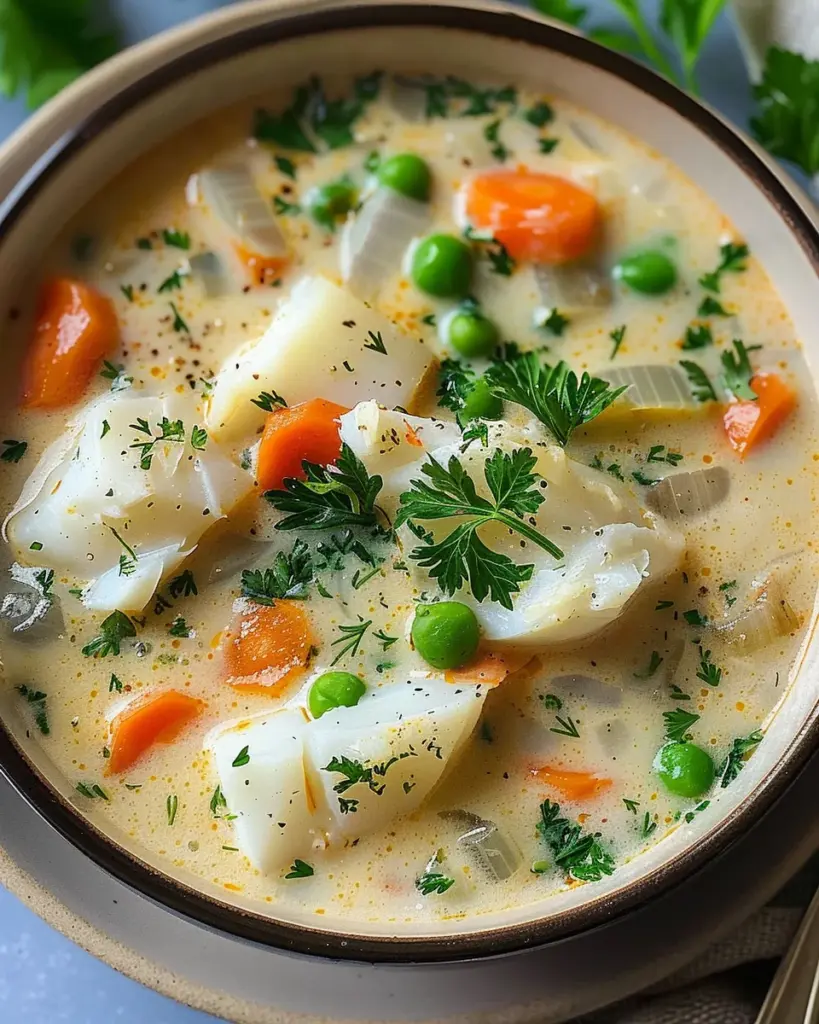
Proper storage and reheating will help preserve the flavor and texture of Fisherman’s Soup, allowing you to enjoy leftovers without compromise.
How to Store
- Refrigerator:
- Store in an airtight container for up to 3 days.
- For best results, remove shellfish (like mussels or clams) before storing to avoid texture degradation.
- Freezer:
- Freeze without shellfish for up to 2 months.
- Fish may lose some firmness but will retain flavor.
- When ready to serve, add fresh shellfish during reheating for optimal texture and safety.
How to Reheat
- Stovetop method:
- Pour soup into a saucepan and heat over medium-low heat until hot, stirring gently.
- Avoid boiling to preserve the tenderness of seafood.
- Microwave method:
- Use a microwave-safe container.
- Heat in short bursts (30-60 seconds), stirring between intervals.
Refreshing the Soup After Storage
- Adjust salt and acidity (add a splash of lemon juice or a pinch of salt).
- Reintroduce fresh herbs just before serving for brightness.
- Add a bit of water or stock if the broth has thickened during storage.
Frequently Asked Questions (FAQs)
Can I make this soup without shellfish?
Yes. Simply use only white fish or add alternatives like tofu, chickpeas, or more vegetables. The broth remains flavorful without shellfish.
What type of fish works best?
Use firm, white fish that holds its shape during cooking. Good options include:
- Cod
- Halibut
- Snapper
- Traditional options like carp, catfish, or pike are ideal if available.
Can I make it spicy?
Absolutely. Increase red pepper flakes or add fresh chopped chilies. You can also include a pinch of cayenne or use hot Hungarian paprika.
Is this soup suitable for children?
Yes, particularly when made without the extra spice. It’s nutritious and mild when adjusted for sensitive palates. Serve with rice or bread for a kid-friendly meal.
What can I serve with it?
Ideal pairings include:
- Crusty bread
- Steamed rice
- Green salad
- Roasted vegetables
- Pickled sides for acidity
Can I make it ahead of time?
Yes. The soup base can be made 1–2 days ahead and stored in the refrigerator. Add seafood just before serving to maintain texture and quality.
Can I use sea fish instead of river fish?
Yes. While traditional versions use river fish, any firm, mild-flavored sea fish will work. Adjust seasoning slightly as needed.
How do I adjust for dietary restrictions?
- Gluten-free: Avoid noodles; serve with rice or gluten-free bread.
- Dairy-free: This recipe contains no dairy.
- Low-spice: Omit red pepper flakes and use only sweet paprika.
- Pescatarian: Recipe already qualifies; ensure all seafood is ethically sourced.